What Is Sleep Hygiene?

Have you ever found yourself staring at your ceiling in the middle of the night and having a hard time falling asleep? Or, have you experienced waking up and thinking, “Time to get up!” only to discover it’s only 3 am?

Sleep is important for everyone, but an erratic sleeping schedule may be hindering you from getting the quality sleep you need. If you’ve tried and failed to get enough sleep, it’s probably time you pay attention to your sleep hygiene.

Why Is Sleep Hygiene Important?

Sleep hygiene refers to healthy habits so you experience the best quality sleep possible. Sleep problems are often reinforced by bad habits. Your dietary choices, schedule, and activities contribute to how much and how well you sleep. So, making adjustments to your lifestyle can all make the difference.

Everyone can create their own routine that suits their needs. By doing so, they can harness these good sleep hygiene habits to make it easier to sleep soundly at night and wake up well-rested.

Sleep is central to both physical and mental health, improved productivity, and overall quality of life. From children to adults, everyone stands to benefit from better sleep, and sleep hygiene has a key part in achieving that goal.

How to Practice Sleep Hygiene?

Because sleep hygiene is all about reinforcing good habits and developing healthy routines, practicing it is with virtually no risk and has little to no cost at all.

Here’s are a few sleep hygiene tips you can adapt to get the best sleep possible:

  • Set a sleep schedule
    Set a sleep schedule and commit to itA set schedule allows your brain and body to get accustomed to your sleep cycle. It can also help reduce your feeling sleepy during the day. Remember when scheduling your bedtime to allow 7 to 8 hours of sleep each night.

    • Wake-up at the same time every day
      Whether it’s a weekday or a weekend, practice having a fixed wake-up time. Having a consistent schedule keeps preserves your body’s natural rhythm.
    • Prioritize sleep
      Treat sleep as a priority. It can be tempting sometimes to sacrifice sleep for work, study, or partying, but as a consequence, you may end up with an erratic schedule. Always calculate your bedtime based on your fixed wake-up time, and strive to prepare for bed around that time every night.
    • Step-by-step adjustments
      If you need to shift your sleeping time, do it gradually and not in one fell swoop. Any changes in your schedule must be done step-by-step for up to an hour or two. That way you can properly adjust and settle into your new schedule.
    • Keep naps relatively short
      Naps can be a convenient way to recover and regain energy during the day, but it can also make it harder for you to fall asleep at night. If you do need a nap, keep it short. The ideal nap lasts for 15 to 30 minutes only. Also, don’t nap in the late afternoon; this can push back your bedtime.
  • Create a relaxing bedtime routine
    Switch to ambient lighting to facilitateA relaxing bedtime routine helps you cool down while you ready to sleep. It also informs your brain that it’s bedtime and may help you fall asleep more easily. The best time to start your routine is approximately 30 minutes to an hour before bed.

    • Be consistent
      When you create a routine, commit to it and do it consistently. Following the same steps, every night allows your mind to recognize that it is almost bedtime.
    • Dim your lights
      Bright lights prevent your body from producing melatonin, a hormone that facilitates sleep. If you are ready for bed, turn off your overhead lights and switch to ambient lighting. You can also close the curtains to block out street lights from entering your room.
    • Turn off electronic devices
      Electronic devices emit blue light, which also hinders melatonin production. This may make it harder for you to fall asleep. If possible, keep your phone away from the bed. The message notification sound, buzzing, and light can suddenly turn on in the middle of the night, interrupting your sleep.
    • Practice relaxation techniques
      A healthy mental connection can help you fall asleep much faster. Focus on relaxation. Don’t just toss and turn in bed when you can’t sleep. Practice relaxation techniques, such as meditation, mindfulness, and paced breathing, to put you in the right mindset.
  • Cultivate a healthy lifestyle
    Staying physically active can help you fall asleep fasterIt’s not just what you do before bed that affects your sleep. Your activity during the day has as much effect on your circadian rhythm as your bedtime habits.

    • Get daylight exposure
      Light, especially daylight exposure, has a critical effect on how you sleep. When exposed to sunlight, the body sends information and signals to the brain about the time of the day. Getting daylight exposure allows your circadian rhythm to be closely synchronized with sunrise and sunset.
    • Exercise regularly
      Exercise is not only good for your physical health but can also improve sleep. As little as 30-minute aerobic exercise can already do the trick. Just avoid any physical activity an hour or two before bedtime since this can increase your energy levels and body temperature. If you have to do some type of activity later in the day, limit it to a few stretches or yoga.
    • Don’t smoke
      Smoking is bad for your health and has been associated with several sleeping problems. Nicotine stimulates the body, which makes it harder for you to sleep.
    • Reduce alcohol and caffeine intake
      Alcohol may help you fall asleep, but once it wears off, it can disrupt your sleep later in the night. It’s best to control alcohol consumption and avoid intake late in the evening. Alternatively, caffeine is a stimulant that may block your body from feeling groggy. Best to avoid consuming it later in the day as well.
    • Avoid dining late
      When you eat a big, heavy, or spicy dinner late, it means your body is still digesting when it’s already time to sleep. The best time to eat dinner is 3 hours before bedtime to allow your stomach to properly digest and prepare for sleep. It is also advisable to only eat lighter food before bed.
    • Limit bedroom activities
      The bedroom should only be used for sleeping. Besides intercourse, other activities like working or studying should be done in other areas in the house. This helps strengthen your brain’s association of your bed with sleep.
  • Make your sleep environment as relaxing as possible
    Your environment and bedding choice affect how well you sleepProper sleep hygiene goes beyond mere routine. Your sleep environment is also a major component. If you want to doze off more quickly, your bedroom must be able to promote relaxation and comfort.

    • Set a comfortable temperature
      Set your bedroom temperature to suit your preferences. The best bedroom temperature for sleeping is approximately 65°F (or 18°C).
    • Block out possible sleep distractions
      There are several factors, like traffic noise or street lights, that can wake you up while you sleep. Prevent too much light from interrupting your sleep by using heavy curtains or an eye mask. You can also use earplugs or try a white noise machine if noise bothers you.
    • Use aromatherapy
      Light and calming scents, like lavender, may create a more calming atmosphere and can induce sleepiness.
    • Use pleasant bedding
      The sheets and blankets are your primary companions while you’re in bed. They need to be as comfortable as possible, have the right texture, and maintain the right temperature.
    • Choose your mattress wisely
      Your mattress is crucial to a comfortable and pain-free sleep. Make sure you select one that offers proper support and applies appropriate pressure dependent on your body weight and preferred sleeping position.

If you have a hard time falling or staying asleep, focus on improving your sleep hygiene. You can try several strategies to help you fall asleep faster and stay asleep for hours.

One of the first steps is to get an excellent quality mattress. At Sleepmasters Canada, we have a wide selection of high-quality mattress that suits your needs. Call us at (416) 781 7441 and achieve the best sleep you’ve been dreaming of.

10 Ways to Make Your Mattresses Last Longer

Getting a good night’s sleep is essential, and given that you spend roughly a third of your life in bed, having a comfortable and durable mattress is crucial. The average lifespan of a mattress typically ranges from 5 to 10 years, but how well you care for it can significantly impact its longevity.

Proper maintenance not only extends the life of your mattress but also contributes to a healthier sleep environment. Adequate care promotes better air quality, reducing potential allergens and creating a more conducive atmosphere for restful sleep.

Investing time and effort into maintaining your mattress can also save you money in the long run. Mattresses can be a significant expense, and by adopting good care practices, you can delay the need for a new one, thus avoiding premature replacements.

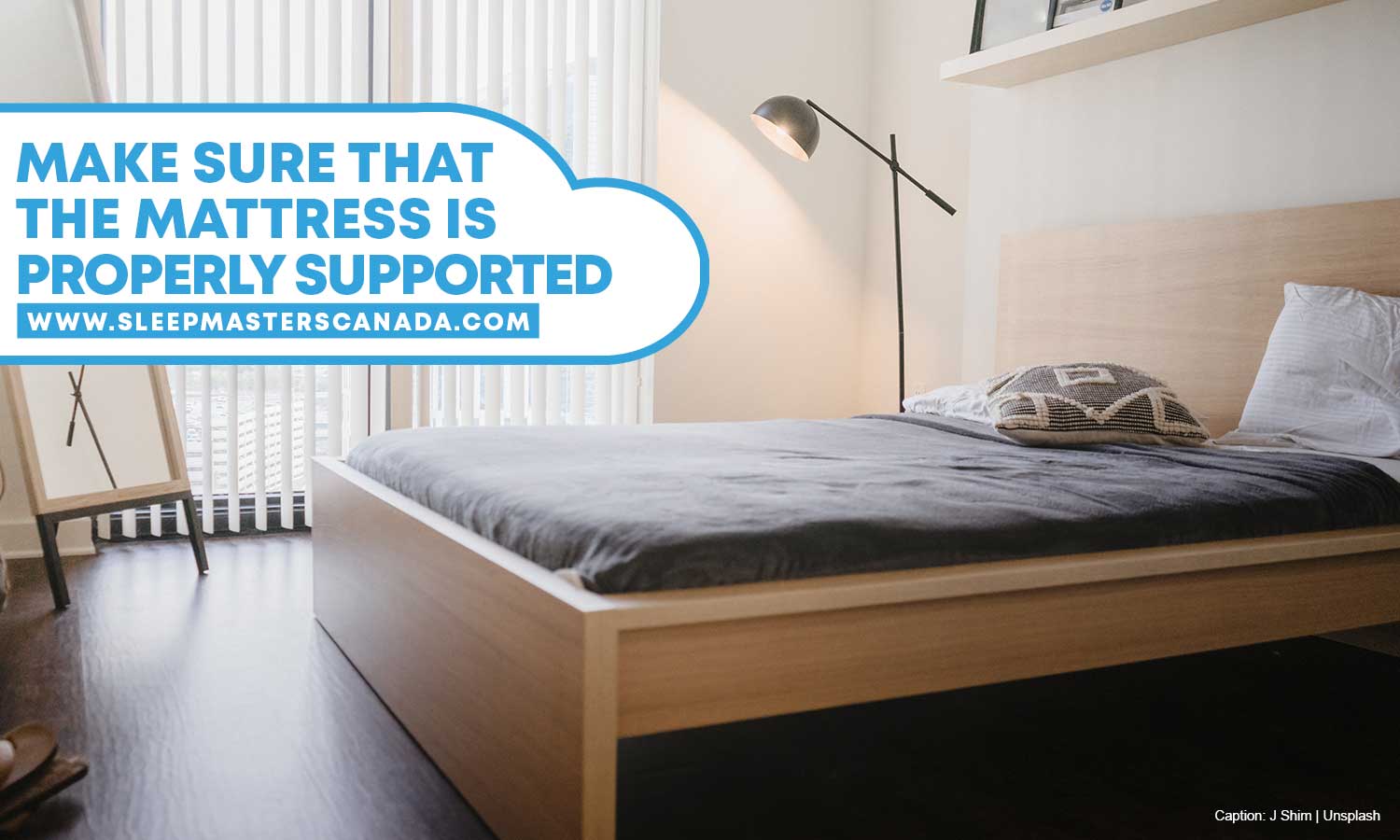
  1. Make Sure the Mattress Has the Right Kind of Support

    Make sure that the mattress is properly supported

    When acquiring a new mattress, the necessity of purchasing a matching box spring or foundation varies, but providing the right kind of support is crucial for the mattress’s longevity. While it’s not mandatory to buy a set, ensuring proper support is essential to preserve the integrity of the mattress materials and prevent premature wear.

    Refer to the manufacturer’s guidelines or warranty policy for specific recommendations tailored to your mattress type. Generally, innerspring mattresses often pair well with box springs, while memory foam and specialty mattresses require firm and solid support.

    If opting for a non-traditional setup, such as placing the mattress directly on the floor, it’s important to consider its potential impact on both the mattress and your overall sleeping experience. A solid platform or foundation helps maintain the mattress’s structural integrity and contributes to a more comfortable and supportive sleep surface.

  2. Use a Mattress Protector

    Safeguarding the longevity of your mattress begins with a proactive approach, and one of the most effective strategies is using a mattress protector right from the start. Even with the best intentions to maintain a pristine sleep environment, unforeseen accidents can occur. A waterproof mattress protector acts as a reliable barrier, preventing spills or mishaps from penetrating the mattress and causing damage.

    Beyond protecting against liquid incidents, a quality mattress protector serves as a shield against bodily oils, skin flakes, dust, and other debris that can accumulate over time. This not only keeps your mattress cleaner but also prevents the build-up of allergens that could impact your sleep quality.

    There are two prevalent styles of mattress protectors to choose from:

    1. Fitted Protectors: These are akin to fitted sheets, making them easy to slip on and off. While affordable and convenient, they primarily protect the surface of the mattress.
    2. Encasement Protectors: True to their name, encasement protectors envelop the entire mattress, including the bottom. This comprehensive coverage not only guards against spills but also provides an effective barrier against allergens and helps deter bed bugs.

    Investing in a mattress protector is a small yet impactful step towards ensuring your mattress stays in optimal condition, promoting a healthier sleep environment for years to come.

  3. Wash Bed Linens Regularly


    Clean bed linens regularly

    Achieving both sturdiness and comfort in a mattress requires more than just selecting the right materials—it demands a commitment to cleanliness. Unseen but inevitable, your body sheds sweat, oils, hair, and skin cells during sleep, creating an environment within your mattress that can harbor bacteria and dust mites. Adding to this, crumbs from late-night snacks or pet fur can further impact the mattress’s hygiene.

    Regularly washing bed sheets and blankets is a fundamental step in maintaining a clean sleeping environment. Cleaning experts recommend washing these linens every week or two to effectively eliminate the accumulated residues. Even if you employ a mattress protector, it’s crucial to recognize that these protective layers don’t exempt your linens from regular cleaning. The mattress protector itself should also be washed periodically, following the manufacturer’s guidelines.

    By adhering to a consistent cleaning routine, you not only enhance the longevity and performance of your mattress but also create a healthier sleep space. Clean sheets, along with a regularly washed mattress protector, contribute to a hygienic environment that promotes a restful and comfortable night’s sleep.

  4. Rotate Mattress Regularly

    Consistency in sleeping habits, particularly favoring one spot, can accelerate wear and tear in a specific section of your mattress, leading to premature deterioration. Regardless of the mattress type—whether it’s memory foam, latex, hybrid, or innerspring—regular flipping or rotation is a practice that can significantly extend its lifespan.

    For memory foam, latex foam, hybrid, and innerspring mattresses, periodic rotation is a beneficial maintenance measure. Consider rotating the mattress 180 degrees every 2 to 6 months to ensure more even wear. While some newer mattress designs claim to eliminate the need for flipping, occasional rotation still proves advantageous in promoting uniform wear and reducing the likelihood of depressions and softening in specific areas.

    This simple but effective practice helps distribute the impact of nightly use across different parts of the mattress, preventing concentrated wear in one spot. By incorporating rotation into your mattress care routine, you contribute to a more balanced wear and tear pattern, ultimately enhancing the longevity and comfort of your mattress.

  5. No Jumping on the Bed

    Jumping puts unnecessary stress on the mattress

    While it’s tempting, especially for the little ones, to engage in some bed jumping antics, it’s important to resist the temptation. Not only is jumping on the bed unsafe, posing a risk of injury, but it also takes a toll on the durability of your mattress. The rhythmic bouncing introduces unnecessary pressure, hastening wear and tear, and compromising the integrity of both the mattress and its support system.

    The motion from jumping doesn’t just affect the mattress; it can also jeopardize the stability of the bed frame and support, which aren’t engineered to withstand the repetitive force of people bouncing on them. To ensure the longevity of your bed and maintain a safe sleep environment, it’s best to discourage any jumping activities.

    Reserving the bed for its intended purpose—providing a comfortable and supportive space for rest—is the key to preserving its structural integrity. By avoiding unnecessary stress from jumping, you contribute to a longer-lasting and safer sleep haven for everyone.

  6. Move the Mattress with Care

    Ensuring the safe transportation of a mattress, especially during a move, requires thoughtful precautions to prevent damage and maintain its pristine condition. To shield your mattress from potential harm, wrapping it in plastic is a fundamental step. This protective layer serves as a barrier against dust, dirt, and unwanted intruders like bedbugs.

    Additionally, consider placing the wrapped mattress inside sturdy boxes to provide an extra layer of defense. This not only helps prevent bending or folding but also guards against scuffs and scratches that can occur during transit.

    When positioning the mattress for transportation, opt for an upright orientation on its side to minimize the risk of sagging. Avoid dragging the mattress across surfaces to prevent unnecessary wear on its cover, opting instead for careful lifting and placement.

  7. Expose Mattress to Sun Occasionally

    Sun exposure removes moisture and prevents mites

    Harnessing the power of sunlight can be a game-changer for maintaining a fresh and hygienic mattress. On a sunny day, consider stripping your mattress and exposing it to sunlight for several hours. Research from Kingston University suggests that mites struggle to survive in warm and dry conditions. The simple act of bathing your mattress in sunlight not only helps eliminate moisture from both the sheets and mattress but also contributes to reducing the dust mite population.

    Sunlight is a natural disinfectant, and this approach offers a chemical-free way to refresh your sleeping environment. Beyond its impact on dust mites, sunlight exposure can help dissipate odors, improve air circulation, and promote a healthier atmosphere in your bedroom.

  8. Don’t Let Bedbugs In

    The threat of bedbugs, those elusive and troublesome pests that can wreak havoc on mattresses, necessitates vigilant prevention measures. To safeguard your sleep haven from these unwanted hitchhikers, consider the following steps:

    1. Thorough Inspection: Before settling into any bed, whether at home or away, conduct a meticulous inspection for signs of bedbugs. Keep your luggage elevated and away from the floor, particularly when staying in unfamiliar places.
    2. Maintain Cleanliness: A clean and organized room is not only inviting but also discourages the presence of bedbugs. Regular cleaning routines, including vacuuming and decluttering, create an environment less conducive to infestations.
    3. Pet Boundaries: While we love our furry friends, keeping them out of your bed reduces the risk of introducing potential germs, bugs, and parasites. Providing separate beds for pets minimizes the likelihood of them inadvertently bringing unwanted guests into your sleeping space.
    4. Encasement Mattress Protector: Invest in an encasement mattress protector, creating an additional barrier against bedbugs. This protective layer not only shields your mattress from infestations but also facilitates easier cleaning.
    5. Exercise Caution with Second-Hand Furniture: When acquiring second-hand furniture, exercise caution and inspect it thoroughly before bringing it into your home. Bedbugs can hide in the seams and crevices of furniture, posing a risk of infestation.
  9. Address Dirt and Stains Immediately

    Regular vacuuming keeps dust and pests at baye

    Maintaining the cleanliness of your mattress is not just about aesthetics—it’s a crucial aspect of ensuring a healthy sleep environment and preventing potential issues like pests and allergens. Here are some proactive steps to keep your mattress in top condition:

    1. Swift Stain Response: Promptly address any dirt or stains on your mattress to avoid creating a breeding ground for germs, pests, and parasites. Leaving stains unattended can lead to more significant problems down the line.
    2. Regular Vacuuming: Combat sweat, dust, and allergen buildup by incorporating regular vacuuming into your mattress care routine. Aim to vacuum your mattress at least twice a year to remove accumulated debris and maintain a cleaner sleeping surface.
    3. Immediate Stain Treatment: Act swiftly when dealing with stains—avoid letting them dry. For a natural stain removal solution, consider mixing lemon juice and salt. The bleaching properties of lemon, combined with the moisture-absorbing qualities of salt, create an effective stain-removing solution.
  10. Follow Manufacturer Cleaning Directions

    Maintaining the cleanliness of your mattress is essential for a healthy sleep environment and overall comfort. Each type and brand of mattress requires specific care and maintenance methods. Manufacturers typically provide instructions for general cleaning, including recommendations on suitable cleaning agents and those to avoid. This distinction is crucial as certain chemical cleaners may potentially break down the materials over time.

    Here’s a refined approach to mattress care:

    1. Regular Cleaning: Regardless of the mattress type, establish a routine for regular cleaning to ensure a fresh and hygienic sleep surface.
    2. Follow Manufacturer’s Instructions: The manufacturer’s manual is a valuable resource for specific care guidelines. It provides insights into the best practices, recommended cleaning agents, and any precautions to be taken, tailored to your mattress type.
    3. Choose Appropriate Cleaning Agents: Be mindful of the cleaning agents you use. Opt for those recommended by the manufacturer to prevent any adverse effects on the mattress materials. Some chemicals may accelerate wear and compromise the mattress’s integrity.

The life span of mattresses depends on a variety of factors. Adhere to these 10 simple best practices and tips to ensure your mattresses last as long as possible.

Invest in lasting comfort and quality sleep with. If you have recently searched for Mattress Store Near Me and you live in the Greater Toronto Area, we would recommend visiting our location for expert help! Our collection features durable, high-quality mattresses designed to provide you with the utmost relaxation and support. Call us today at (416) 781-7441 to explore our range of products and find the perfect mattress that aligns with your sleep preferences. Elevate your sleep experience with Sleep Masters Canada—where lasting comfort meets exceptional quality.


Are Expensive Mattresses Really Worth It?

Are Expensive Mattresses Really Worth It?

When shopping for a new mattress, one of the biggest questions people ask is: “Are expensive mattresses really worth it?” With prices ranging from a few hundred to several thousand dollars, it’s easy to wonder what you’re actually paying for, and whether a high price tag equals better sleep.

At Sleep Masters Canada, we’re here to break it down for you with full transparency.


️ What Makes a Mattress Expensive?

An expensive mattress usually includes one or more of the following:

  • Premium materials: Organic latex, natural wool, high-density memory foam, or advanced cooling technology.

  • Durable construction: Reinforced edge support, zoned coils, or dual-sided firmness.

  • Better motion isolation: Especially important for couples.

  • Enhanced support systems: Zoned support layers or ergonomic designs for back pain relief.

  • Brand reputation & warranty: Longer warranties, sleep trials, and strong customer service.

You’re not just paying for materials, you’re also investing in performance, longevity, and peace of mind.

No more “getting off the wrong side of the bed”

Do You Always Get What You Pay For?

Not necessarily. While expensive mattresses can offer better features, price alone doesn’t guarantee comfort or quality. Some mid-range mattresses offer similar comfort and durability as some more expensive models. It is true that sometimes, the price of a particular mattress is spiked up, simply because that retailer decides to spend a ton of money on advertising. These retaillers need to make that money back, one way or another!

For example:

  • A $3,000 name brand mattress may feel similar to a $900 mattress with comparable materials and construction.

  • Retailer X and Y may be selling the exact same mattress, but at two completely different price points. The unfortunate thing for a consumer, is that often the same mattress may be listed with different names, meaning that the consumer is not able to tell they are the same mattress.

✔️ When Is It Worth Paying More?

You might want to invest in a more expensive mattress if:

  • You suffer from chronic back pain or joint issues.

  • You and your partner are light sleepers and need superior motion isolation.

  • You prefer natural or organic materials.

  • You’re heavier and need stronger edge support and long-term durability.

  • You want a longer warranty and a risk-free sleep trial.

    A good mattress fosters quality sleep, boosting your energy

    ❌ When a Cheaper Mattress Might Be Enough

  • You’re furnishing a guest room or temporary living space.
  • You don’t have any special sleep needs or pain issues.
  • You’re on a tight budget but still want quality (we’ve got options for that!).


Final Verdict: Are Expensive Mattresses Better?

Sometimes yes, but not always. The best mattress is the one that is most suitable for your needs. More often than not, you can find a mattress that is suitable for you, without breaking the bank. At Sleep Masters Canada, we carefully select mattresses at every price point so you don’t have to overspend to sleep well.


Still Not Sure What to Buy?

Let us help! Visit our Toronto Mattress Store or contact us for a free personalized recommendation. Whether you’re spending $600 or $3,000, we’ll help you find a mattress that’s worth every dollar. If you are not able to visit in person, you can also take advantage of our Mattress Selector Tool. Submit your form, and we will respond with a recommendation that best suits your sleep preferences.


How to Choose the Right Mattress

How to Choose the Right Mattress for Your Sleep Style and Body Type

Looking for the best mattress for your body and sleep needs? Here’s a quick summary of what to consider:

  • Side sleepers: Choose a medium to soft mattress for pressure relief at hips and shoulders.

  • Back and stomach sleepers: Go with a medium-firm or firm mattress to support spinal alignment.

  • Petite sleepers (<130 lbs): Softer mattresses help avoid pressure build-up.

  • Heavier sleepers (>250 lbs): Opt for firm mattresses with strong support cores.

  • Hot sleepers: Look for breathable materials like pocket coils and gel-infused memory foam.

  • Couples: Memory foam or hybrid mattresses with motion isolation reduce disturbances.


Choosing the right mattress is essential for better sleep, spinal health, and overall well-being. With so many mattress types, firmness levels, and features to consider, it’s easy to feel overwhelmed. But don’t worry, by focusing on your sleep position, body weight, temperature preferences, and whether you share your bed, you can confidently find the best mattress for your needs.

At Sleep Masters Canada, we’ve helped thousands of Canadians find their perfect mattress. Here’s how you can do the same.

1. Determine Your Sleep Position

Best mattress for side sleepers, back sleepers, stomach sleepers, and combination sleepers

Your sleep position is one of the most important factors when choosing a mattress. It determines the amount of pressure relief and support your body needs during the night.

  • Side Sleepers need a medium to soft mattress that cushions pressure points at the shoulders and hips. Memory foam or Natural latex comfort layers work well here.

  • Back Sleepers benefit from medium-firm to firm mattresses that supports the natural curve of the spine without letting the hips sink too much.

  • Stomach Sleepers require a firm mattress to prevent lower back strain caused by the hips sinking in too far.

  • Combination Sleepers (who switch positions during the night) do well with a responsive medium mattress, ideally a hybrid, for balanced support and mobility.

Pro tip: At Sleep Masters Canada, we always guide customers to test mattresses based on their primary sleep position.


The mattress should be able to support pressure points on the body

2. Consider Your Body Weight

Mattress recommendations based on weight

Weight affects how much you sink into a mattress and how firm or soft it feels. Here’s a quick guide:

  • Petite sleepers (under 130 lbs): Softer mattresses offer better pressure relief and prevent feeling like you’re sleeping on top of the bed.

  • Average weight (130–225 lbs): Most medium mattresses are ideal, depending on your sleep position and preferences.

  • Heavier sleepers (225+ lbs): Choose a firm or extra-firm mattress with durable materials like pocket coils and high-density foam for long-lasting support and edge stability.

Pro tip: If you’re a heavy sleeper looking for a mattress, prioritize durability, support, and edge reinforcement.


The level of firmness depends on what type of sleeper you are


3. Are You a Hot Sleeper?

Best cooling mattresses for hot sleepers

Do you wake up sweaty or overheated? The materials in your mattress could be trapping heat.

What to look for in a cooling mattress:

  • Breathable materials: Natural latex, open-cell memory foam, or pocket coils promote airflow.

  • Cooling technologies: Gel-infused memory foam, phase change materials, or cool-to-touch covers help regulate temperature.

  • Avoid: Traditional memory foam that lacks ventilation, it tends to retain heat.

4. Do You Share the Bed?

Best mattress for couples and motion isolation

If you sleep with a partner, motion transfer can be a big issue. A mattress with good motion isolation helps prevent you from feeling every toss and turn.

  • Memory foam mattresses are excellent at absorbing movement.

  • Hybrid mattresses with pocket coils also limit motion transfer effectively, much better than traditional innersprings.

  • All-foam designs are ideal for ultra-sensitive sleepers.

Final Thoughts: Choose a Mattress That Works for You

Finding the right mattress isn’t about choosing the most expensive model, it’s about matching your personal sleep needs with the right materials, firmness, and features.

At Sleep Masters Canada, we make this process easier with our Mattress Selector Tool and custom mattress options for unique needs. Whether you’re a side-sleeping hot sleeper or a couple with different firmness preferences, we’re here to help.

Prioritize your body’s needs

Best Cooling Mattresses for Hot Sleepers

Quick Summary: Best Cooling Mattresses for 2025


Do Cooling Mattresses Really Work?

Yes, cooling mattresses are designed to regulate body temperature during sleep. They often use breathable materials, gel-infused foams, and open coil systems to prevent heat retention and enhance airflow.


What to Look for in a Cooling Mattress

When choosing a mattress for hot sleepers, prioritize the following features:

  • Breathable Cover Materials: Look for Tencel, organic cotton, or performance fabric covers.

  • Gel-Infused Memory Foam: Helps dissipate body heat more effectively than traditional foam.

  • Natural Latex: Naturally breathable and temperature-neutral.

  • Hybrid Construction: Pocket coil systems allow air to circulate freely.

  • Phase Change Materials (PCM): These materials absorb and release heat for consistent temperature control.


Best Cooling Mattresses in Canada for 2025

1. Serta iComfort Opera Medium – Best Overall Cooling Mattress

  • Type: Foam Based

  • Why it’s great: This mattress features both Graphite Memory Foam and Gel Memory Foam, where both help regulate temperature and keep the surface really cool!

  • Ideal for: All sleep positions, especially combination sleepers.

  • Bonus: Works perfectly on an adjustable base.

2. Organic Meadow – Best Natural Latex Cooling Mattress

  • Type: Pocket Coil + Natural Latex

  • Why it’s great: Natural latex is temperature neutral, and the coil base enhances airflow.

  • Ideal for: Eco-conscious shoppers, hot sleepers, and those with allergies.

  • Bonus: Hypoallergenic and free from synthetic foams, chemicals and off gassing.

3. Dreamstar Nano Tech – Best for Couples

  • Type: Pocket Coil + Gel Memory Foam

  • Why it’s great: Super comfortable and supportive for all sleep positions, and has minimal motion transfer, very important for couples.

  • Ideal for: Combination sleepers who tend to toss and turn throughout the night.

  • Bonus: Ultra high density foam encasement for firm edges.

4. Dreamstar Prestige Firm – Best for Heavy Sleepers

  • Type: Firm Hybrid with Cooling Layers

  • Why it’s great: Firm support prevents excessive sinkage, while its breathable and cooling structure helps regulate temperature.

  • Ideal for: Heavier individuals who sleep hot.

  • Bonus: Simply has everything you want and need in a firm mattress.


Which Type of Mattress Sleeps the Coolest?

Hybrid and latex mattresses tend to sleep the coolest. They allow better airflow than all-foam mattresses and use materials like latex, gel foam, and pocket coils to keep you from overheating.


Tips to Sleep Cooler at Night

  • Use a breathable mattress protector

  • Opt for cooling pillows and sheets

  • Avoid heavy comforters or synthetic bedding

  • Consider an adjustable base for better airflow under the bed


Final Thoughts: Find the Best Mattress to Sleep Cool

If you’re a hot sleeper, investing in a cooling mattress can transform your sleep quality. At Sleep Masters Canada, we carry a wide selection of cooling mattresses and can help you choose the one that fits your sleep style, body type, and budget.

7 Mattress Myths Debunked

Achieving a restful night’s sleep is a priority for many, and a crucial factor in this quest is finding the perfect mattress. However, navigating through the plethora of information on mattresses can be overwhelming, compounded by the emergence of numerous misconceptions that further complicate the decision-making process.

Whether these myths are intentionally propagated as scare tactics, result from false advertising, or simply arise from skeptics, their prevalence can significantly impact your purchasing choices. Unfortunately, falling victim to misinformation might jeopardize the quality of your sleep. It is imperative to shed light on these mattress myths, debunking them to empower consumers with accurate information for selecting a mattress that aligns with their unique needs.

In this pursuit, let’s unravel the fabrications and set the record straight, allowing you to make an informed decision about your mattress. By dispelling these myths, we aim to provide you with the knowledge necessary to choose a mattress that not only meets your preferences but also contributes to a better and more rejuvenating sleep experience.

How Do Mattresses Affect Your Sleep and Health?

The right mattress is a dream come true

Selecting the right mattress transcends the mere pursuit of a soft surface to lay on; it can profoundly influence the quality of your sleep and, consequently, impact your overall well-being. The ramifications can be both positive and negative, contingent upon the type of mattress you choose:

Positive Impact on Sleep Quality:

Investing in a high-quality mattress can be a game-changer, affording you a restful night’s sleep that leaves you feeling revitalized and in a positive mood upon waking. The right mattress supports your body, ensuring proper alignment and comfort, contributing to a more profound and rejuvenating sleep experience.

Relief from Aches and Pains:

A mattress tailored to your specific needs can provide relief from aches and pains. The right level of support, whether firm or soft, can alleviate pressure points and promote a healthier posture, addressing discomfort that might otherwise persist with an ill-suited mattress.

Back Injury Prevention, Especially for the Elderly:

Opting for broken or low-quality mattresses, particularly for older individuals, can heighten the risk of back injuries. The lack of proper support compromises spinal alignment, exacerbating existing conditions and potentially leading to long-term discomfort or injury.

Respiratory Health and Skin Allergies:

Neglecting the condition of your mattress can contribute to respiratory health issues and skin allergies. A dirty or worn-out mattress may harbor allergens, dust mites, and other contaminants, posing risks to your respiratory system and skin health. Regular maintenance and timely replacement are crucial for mitigating these concerns.

Mattress Myths Versus Reality

Navigating the mattress market can be a perplexing journey, especially when clouded by prevalent misconceptions that either push you towards or steer you away from particular decisions. As you embark on the quest for a perfect sleeping surface, exercising caution and critical thinking is paramount, as some common mattress myths can mislead you. Here are a few of the most pervasive ones:

1. Mattresses Must be Replaced Every 8 years

You’ll know when it’s time to get a replacement

The commonly held belief regarding the lifespan of mattresses is often rooted in manufacturers’ estimates, but the reality is far more nuanced. Unlike a rigid set of rules dictating when a mattress must be replaced, the longevity of your mattress hinges on various factors, including its quality, usage, and the inevitable wear and tear it undergoes over time.

Certain signs, however, serve as red flags, suggesting that the time for a mattress replacement may be drawing near. Keep a vigilant eye for the following indicators:

Lumpy or Bumpy Surface:

Uneven surfaces can disrupt your sleep and are indicative of the internal structure breaking down. If your mattress resembles a terrain of lumps and bumps, it may be time to consider a replacement.

Loud Squeaks (for Spring Mattresses):

Audible creaks and squeaks, especially common in spring mattresses, signal structural issues. These disturbances not only disrupt your sleep but may also point to wear in the mattress’s support system.

Morning Sneezing and Sniffling:

If you find yourself waking up to a symphony of sneezes and sniffles, it could be a sign that your mattress harbors allergens. Over time, mattresses accumulate dust mites and other allergens, impacting your respiratory health.

Preference for Other Beds:

If you consistently enjoy better sleep on other beds, it’s worth considering whether your current mattress is meeting your needs. Changes in personal comfort preferences or the aging of your mattress can prompt a reassessment.

Stiff Muscles and Joints Upon Waking:

Waking up with stiffness or joint discomfort may signify that your mattress is no longer providing adequate support. Over time, wear and compression of materials can compromise the mattress’s ability to cushion and align your body properly.

2. Firm Mattresses Are Always Better

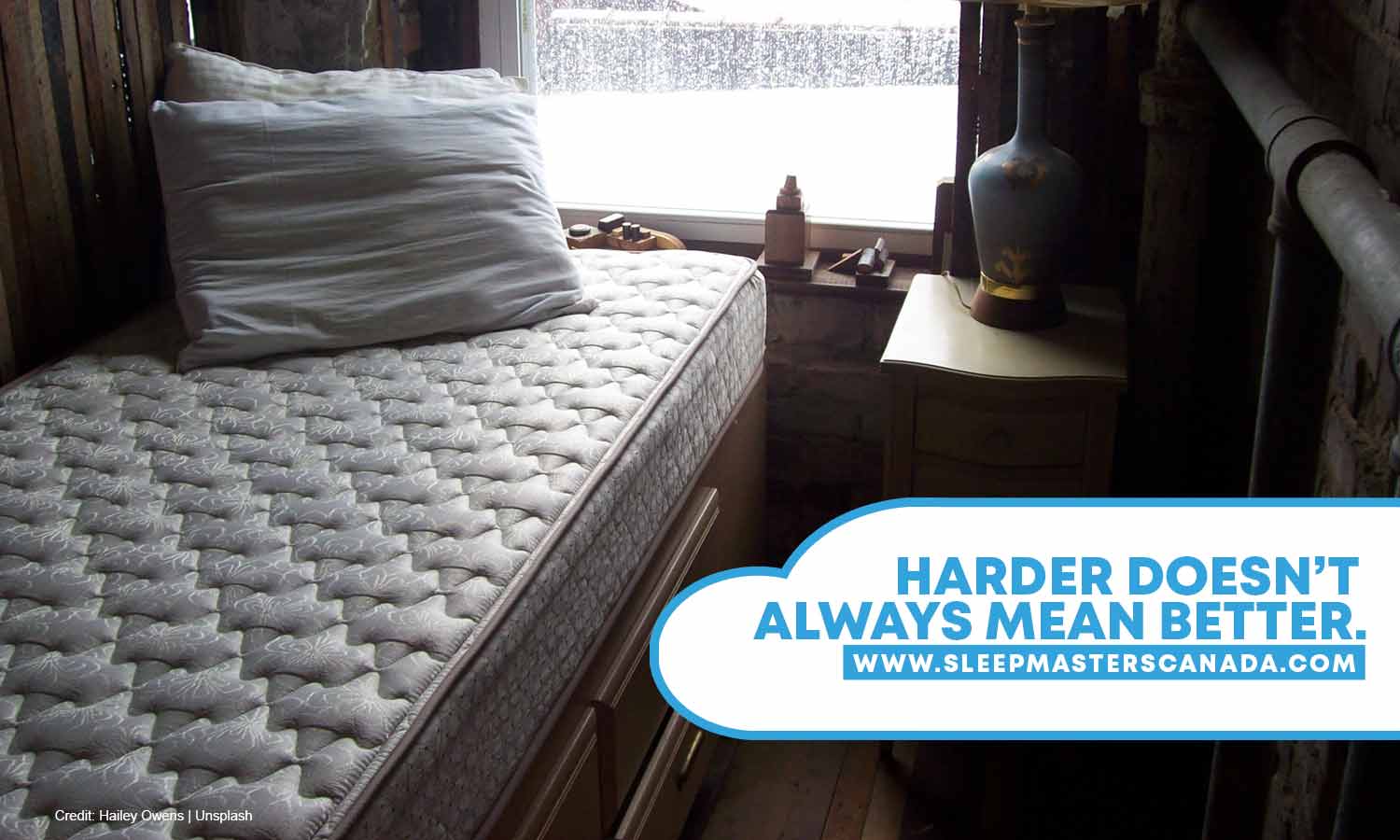
Harder doesn’t always mean better.
Mattress Myths

Long-standing beliefs urging those with back pain or spine issues to opt for excessively hard mattresses have endured over time. Regrettably, the rigid nature of these beds fails to accommodate the natural curvature of the spine, and while changing sleep positions may offer some relief, the drawbacks of overly firm mattresses can lead to a host of additional issues:

Discomfort for Side Sleepers:

The unyielding nature of extremely firm mattresses creates pressure points on the shoulders and pelvic area, making them uncomfortable for those who prefer sleeping on their sides. This discomfort can hinder a restful night’s sleep and exacerbate existing pain.

Misalignment of the Spine:

While hard mattresses may offer support to the heaviest parts of the body, namely the shoulders and hips, they often lead to spinal misalignment. This misalignment, over time, can contribute to persistent back problems and discomfort.

Lack of Conformity to Body Shape:

Overly firm mattresses do not adapt well to the contours of your body, leaving certain areas unsupported. This lack of conformity can contribute to additional back pain as specific regions are not properly cushioned.

For individuals grappling with back problems, the optimal solution lies in choosing an orthopedic mattress. The advantages of opting for this specialized mattress make it a worthwhile investment:

Even Body Weight Distribution:

Orthopedic mattresses are designed to evenly distribute body weight across the entire sleeping surface. This even distribution helps prevent the development of pressure points and ensures a more comfortable sleep.

Reduced Strain on Neck and Back:

By providing targeted support, an orthopedic mattress reduces strain on the neck and back. This support promotes better posture during sleep, contributing to overall spinal health.

Alleviation of Stress on the Spine:

One of the key benefits of orthopedic mattresses is their ability to alleviate stress on the spine. This contributes to improved spinal alignment, reducing the likelihood of backaches and fostering a more supportive sleep environment.

3. All Memory Foams Mattresses Are Too Hot

Early memory foams were crafted from dense materials lacking interconnected air channels, impeding effective heat dissipation. However, it’s crucial to dispel the notion that all memory foams share this flaw, as modern innovations have addressed this issue comprehensively:

Open Cell Construction for Improved Airflow:

Contemporary memory foams feature open cell construction, enhancing airflow and breathability. This design mitigates the heat retention problem, allowing for a cooler and more comfortable sleep experience.

Infusions for Cooling Sensation:

To counteract heat retention, many memory foams now come infused with cooling materials such as gel. These infusions actively dissipate heat, providing a refreshing sensation and further debunking the misconception about memory foams causing overheating.

While memory foam mattresses have evolved to tackle heat retention, it’s essential to acknowledge that other factors beyond the mattress contribute to sleep warmth:

Platform Structure:

Solid platforms with flat bases can impede airflow around the mattress, contributing to heat and moisture retention. Ensuring proper mattress ventilation is crucial for optimizing sleep temperature.

Bedding Materials:

Non-breathable bed sheets and covers can exacerbate warmth issues. Opting for breathable, moisture-wicking materials enhances overall mattress performance and sleep comfort.

Pillow Selection:

The choice of pillows matters too. Heat-retaining pillows can elevate your body temperature significantly, influencing your overall sleep experience. Choosing pillows with breathable materials can mitigate this effect.

4. Mattress Toppers Can Fix Any Mattress

There is a prevalent belief that incorporating a mattress topper is sufficient to resolve the comfort issues associated with an unsuitable mattress. However, it’s important to recognize that while mattress toppers can provide additional cushioning and support, they are not a comprehensive solution to address the core issues.

A mattress topper primarily serves as a supplementary layer, offering extra comfort and potentially mitigating minor discomfort. Nevertheless, if the underlying mattress is too old, lacks proper support, or is incompatible with specific sleep preferences, a topper alone may not fully rectify the situation.

To ensure optimal sleep quality, it’s imperative to delve into the root causes of dissatisfaction with the existing mattress. Assessing factors such as mattress age, firmness, and overall condition is crucial. If the mattress is nearing the end of its lifespan, no longer provides adequate support, or doesn’t align with personal comfort preferences, investing in a new mattress becomes essential.

5. Latex Mattresses Trigger Allergies

One prevalent misunderstanding about latex mattresses is that they are prone to harbor dust mites and molds, contributing to allergies. Contrary to this belief, latex is inherently resistant to these allergens, making latex mattresses an excellent choice for individuals prone to allergies.

Moreover, natural latex mattresses go a step further by being free from chemicals commonly used to prevent the growth of molds and dust mites. This not only makes latex mattresses a safer option but also aligns with the needs of those seeking a more natural and chemical-free sleep environment.

In essence, latex mattresses, particularly those made from natural latex, provide a hypoallergenic and health-conscious choice, countering the misconception that they are susceptible to common allergens.

6. Higher Price Equals Better Quality

The belief that a higher-priced mattress equates to superior quality can lead to overspending, overlooking nuanced factors crucial to comfort and suitability. Price alone does not reliably correlate with the overall sleeping experience; instead, careful consideration of materials, construction, and personal preferences is essential.

While an expensive mattress may boast premium materials and features, it doesn’t guarantee the ideal level of comfort for every individual. The suitability of a mattress is highly subjective, influenced by factors such as sleep position, firmness preferences, and specific health considerations.

Moreover, understanding the materials used in a mattress, such as memory foam, latex, or innerspring coils, is vital. Each material comes with its own set of characteristics that may or may not align with an individual’s comfort needs.

A comprehensive approach to mattress selection involves evaluating not only the price tag but also considering the mattress’s construction, materials, and how well it matches personal preferences. By doing so, consumers can make more informed decisions, avoiding the pitfall of assuming that a higher price automatically translates to a better sleeping experience.


7. Getting the Right Mattress will Prevent Tossing and Turning

Don’t blame it on the mattress.

There’s a common belief that tossing and turning during sleep is solely attributed to uncomfortable mattresses or pillows. In reality, these involuntary movements are often the body’s natural response to seeking comfort. Without conscious awareness, individuals may shift positions up to 75 times a night, responding to factors like pain, pressure, or changes in temperature.

These subtle adjustments are the body’s way of ensuring optimal comfort and relieving any discomfort experienced during sleep. While it might be challenging to control these unconscious movements entirely, investing in a quality mattress can play a crucial role in providing unrestricted movement and minimizing unnecessary shifts.

In essence, understanding that tossing and turning is a natural aspect of the body’s adjustment to various stimuli during sleep challenges the misconception that it is solely indicative of mattress or pillow discomfort. A mattress designed to accommodate the body’s movement can contribute to a more comfortable and restful night’s sleep.

Prioritizing quality sleep is paramount for overall well-being, and selecting the right mattress is a crucial step towards achieving that goal. Falling prey to common misconceptions about mattresses can have detrimental effects on your sleep quality. To ensure a restful night’s sleep, exercise caution and avoid these misconceptions whenever possible.

At Sleep Masters, we understand the importance of a good mattress in enhancing your sleep experience. If you’re in search of great deals on mattresses, visit us at our mattress store near you. Our team is dedicated to helping you find the perfect mattress that aligns with your preferences, ensuring you get the quality sleep you deserve. Your comfort and well-being are our top priorities, and we look forward to assisting you at our Mattress Store in Toronto.

How to Fall Asleep Quickly

Recognizing the vital role that sleep plays in overall well-being is crucial, as it goes beyond mere preparation for the next day. Quality sleep serves as a cornerstone for holistic health, offering a multitude of benefits:

Reenergizes the Body:

A restorative night’s sleep replenishes energy levels, ensuring you wake up feeling refreshed and ready to tackle the day.

Promotes Healing:

During sleep, the body engages in repair and rejuvenation processes, supporting healing and recovery from daily wear and tear.

Regulates Bodily Functions:

Sleep plays a key role in regulating essential bodily functions, including metabolism, immunity, and oxygen circulation, contributing to overall health maintenance.

Minimizes Inflammation:

Quality sleep has been linked to reduced inflammation in the body, which is essential for preventing chronic health conditions.

Moderates Stress Levels, Improving Mood:

Adequate sleep is a natural stress reliever, helping to maintain balanced stress levels and contributing to an improved mood.

Supports Physical and Mental Performance:

Whether it’s physical endurance or cognitive function, sleep significantly enhances overall performance, ensuring you operate at your best.

Below, you will find some tips on how to fall asleep quicker and also stay asleep for longer:

  • Perform Workouts During the Day

Working out can help you fall asleep quickly

Engaging in regular exercise not only offers a plethora of health benefits but also plays a pivotal role in promoting a restful night’s sleep. Here’s why incorporating moderate exercise into your routine can positively impact your sleep quality:

  1. Balancing Hormones:

    • Exercise acts as a natural regulator of hormones, notably decreasing cortisol, the stress hormone, and increasing serotonin, often referred to as the “happy hormone.” This hormonal balance can contribute to a sense of well-being and aid in achieving better sleep.
  2. Enhancing Sleep-Wake Control:

    • Serotonin, stimulated by exercise, plays a crucial role in controlling both sleep and waking patterns. By positively influencing these neurotransmitters, exercise can improve the duration and quality of your sleep.
  3. Moderation is Key:

    • It’s important to note that excessive or intense exercise close to bedtime can potentially disrupt sleep patterns. Opting for moderate exercise is ideal for reaping the sleep-enhancing benefits without negatively impacting sleep quality.
  4. Timing Matters:

    • While any time spent exercising is beneficial, working out in the morning tends to maximize the positive effects on sleep. Early morning exercise aligns with the body’s natural circadian rhythm, promoting alertness during the day and contributing to better sleep at night.


  • Set a Sleeping Schedule

Following a sleeping schedule can help you fall asleep quickly

Establishing a consistent sleep schedule is pivotal for optimizing your ability to fall asleep quickly and enhancing overall sleep quality. Here are some refined tips to help regulate your internal clock and create a conducive bedtime routine:

  1. Prioritize Consistency:

    • Your body’s circadian rhythm thrives on consistency. Set a fixed bedtime and wake-up time, even on weekends, to sync with your internal clock. This regularity helps regulate your sleep-wake cycle, making it easier for you to fall asleep and wake up naturally.
  2. Create a Relaxing Wind-Down Routine:

    • Allocate 30-45 minutes before bedtime for a calming wind-down routine. Engage in activities that promote relaxation, such as reading a book, practicing gentle stretches, or listening to soothing music. This signals to your body that it’s time to transition from wakefulness to sleep.
  3. Mindfulness and Relaxation Techniques:

    • Incorporate mindfulness or relaxation techniques into your pre-sleep routine. This can include deep breathing exercises, progressive muscle relaxation, or guided meditation. These practices help quiet the mind and prepare your body for restful sleep.
  4. Limit Screen Time:

    • Minimize exposure to screens, including phones, tablets, and computers, at least an hour before bedtime. The blue light emitted by these devices can interfere with the production of melatonin, a hormone that regulates sleep.
  5. Create a Comfortable Sleep Environment:

    • Ensure your bedroom is conducive to sleep by adjusting the room temperature, using blackout curtains, and investing in a comfortable mattress and pillows. A cozy sleep environment enhances the overall quality of your rest.
  • Keep It Cool

The ideal temperature for sleeping is cool 

Enhance your ability to fall asleep quickly by creating a sleep-conducive environment through temperature adjustments. Here’s a refined approach to optimizing your bedroom and body temperature for a more restful night:

  1. Maintain a Cool Bedroom Environment:

    • Keep your bedroom at an optimal temperature ranging between 15.6°C and 19.4°C. A cooler room can enhance comfort and create the ideal conditions for a quicker and more restful sleep.
  2. Adjust Your Thermostat:

    • Set your thermostat to the recommended temperature range to ensure a cool and comfortable sleep environment. Experiment with the settings to find what works best for your personal preference.
  3. Pre-Bedtime Warm Shower or Bath:

    • Take a warm shower or bath 1 to 2 hours before bedtime to facilitate the necessary temperature changes your body undergoes during the sleep process. The water temperature should be between 40.0°C and 42.5°C to induce relaxation and prepare your body for sleep.
  4. Promote Temperature Regulation:

    • A cooler environment promotes the body’s natural temperature regulation, crucial for initiating the sleep process. This cooling effect can send signals to your brain, signaling that it’s time to wind down and prepare for restorative sleep.
  • Take Power Naps Earlier in the Day

While daytime naps can be effective for restoring alertness, their impact on nighttime sleep depends on various factors, including duration and timing. Research indicates that certain nap habits can affect nighttime sleep quality. For instance, a study found that college students who took frequent (3 or more per week), lengthy naps (minimum of 2 hours), and those napping late (between 6 and 9 in the evening) reported poorer nighttime sleep.

To ensure your naps don’t interfere with nighttime sleep, consider adopting the following guidelines:

  1. Opt for Short, Timely Power Naps:

    • Keep your daytime naps brief, lasting no more than 30 minutes. This duration is effective for boosting alertness without inducing deep sleep, minimizing the likelihood of interference with nighttime rest.
  2. Schedule Naps Earlier in the Afternoon:

    • Plan your power nap no later than 3 in the afternoon. Napping too close to bedtime can disrupt your natural sleep-wake cycle, making it more challenging to fall asleep at night.
  3. Be Consistent with Napping Habits:

    • Establish a consistent pattern for your napping habits. Avoid excessive frequency and ensure your naps align with a regular schedule. This helps regulate your body’s internal clock, promoting overall sleep quality.
  • Make Sure You’re Comfortable

Use the right mattress for the best comfort

Certainly, the significance of a comfortable mattress cannot be overstated when it comes to falling asleep quickly and enjoying restorative sleep. Let’s delve deeper into the crucial role a mattress plays in achieving optimal comfort:

  1. Individualized Comfort:

    • Acknowledging that there’s no one-size-fits-all solution for mattresses is essential. Each person has unique needs, making it crucial to find a mattress that aligns with your specific requirements for support and pressure relief.
  2. Identify Personal Features:

    • Pinpointing individual features such as weight and preferred sleep position serves as a valuable guide in selecting the most suitable mattress. This approach streamlines the decision-making process, making it more accessible and effective.
  3. Tailored Comfort Levels:

    • Matching your weight to the appropriate comfort level is key. Lighter individuals may benefit from a more plush mattress, providing a softer feel. Average weight individuals often find comfort in a medium-level mattress, while those on the heavier side may gravitate towards a firmer option for optimal support.
  4. Focus on Support and Pressure Relief:

    • The right mattress strikes a balance between support and pressure relief. It cradles the body, promoting alignment and minimizing pressure points, contributing to a comfortable and uninterrupted sleep experience. When it comes to pressure relief, there is no doubt that quality foams such as Memory Foam or Natural Latex are the front runners, as long as the overall mattress firmness is suitable.
  5. Explore Options:

    • Understanding your personal preferences allows you to explore a range of mattress options more efficiently. Whether it’s memory foam, innerspring, or hybrid mattresses, there’s a variety of choices tailored to different needs.
  • Put All Electronics Away

If you frequently find yourself scrolling through your phone at 4 in the morning, you’re not alone. While electronic devices offer entertainment and information, they can be counterproductive when it comes to falling asleep. Here’s an enhanced guide to minimize digital distractions for quicker and more restful sleep:

  1. Recognize the Impact of Electronic Devices:

    • Electronic devices, such as smartphones and laptops, can engage your mind and hinder the natural wind-down process. The blue light emitted by screens further disrupts your sleep cycle by suppressing melatonin production, the hormone essential for sleep regulation.
  2. Limit Stimulating Activities Before Bed:

    • Activities like playing video games and scrolling through social media can keep your mind alert. To facilitate a smoother transition to sleep, avoid engaging in stimulating activities at least an hour before bedtime.
  3. Create a Distraction-Free Sleep Environment:

    • Transform your bedroom into a haven of tranquility by removing potential distractions. Put away your phone, turn off laptops, and disconnect other electronic devices. By eliminating visual and auditory stimuli, you create a conducive space for relaxation.
  4. Utilize Blue Light Filters:

    • If you must use electronic devices close to bedtime, consider using blue light filters. These filters reduce the amount of blue light emitted, minimizing its impact on melatonin production. Alternatively, special eyeglasses designed to block blue light can be effective.
  5. Establish a Relaxing Pre-Sleep Routine:

    • Cultivate a pre-sleep routine that encourages relaxation. Engage in calming activities such as reading a book, practicing gentle stretches, or listening to soothing music. This helps signal to your body that it’s time to unwind.
  • Limit Caffeine Intake

Only drink coffee when the time is right

Effectively managing caffeine intake is crucial for promoting faster and more restful sleep. Here’s an improved guide on handling caffeine to enhance your sleep quality:

  1. Understanding the Impact of Caffeine:

    • While caffeine serves as a beneficial stimulant for alertness, it can significantly affect sleep duration and quality. Recognize that its effects vary among individuals.
  2. Limit Caffeine Intake Before Bed:

    • To facilitate falling asleep quickly, establish a cutoff for caffeine consumption at least 6 hours before bedtime. This allows sufficient time for the stimulant effects to wear off, minimizing its interference with sleep.
  3. Explore Caffeine-Free Alternatives:

    • Instead of caffeinated beverages, consider opting for soothing teas known for their sleep-promoting properties. Chamomile tea, magnolia tea, and lemon balm tea are excellent choices. These herbal teas contain compounds that promote relaxation, helping prepare your body for a restful night.
  4. Mindful Tea Consumption:

    • Enjoying a warm cup of herbal tea can become a delightful bedtime ritual. Choose caffeine-free options and sip slowly, allowing the calming properties to take effect. Be mindful of the temperature to avoid consuming anything too hot close to bedtime.
  5. Consider Herbal Infusions:

    • Explore herbal infusions that go beyond traditional teas. Incorporate herbs like valerian root, passionflower, or lavender into your bedtime routine, as they are known for their calming and sleep-inducing qualities.

Embark on a journey to better sleep with the insights and strategies shared in this guide. By understanding your body’s natural rhythms, creating a comfortable sleep haven, and adopting mindful habits, you can pave the way for faster and more restful nights. Say goodbye to sleepless nights and embrace the secrets to falling asleep quickly for a healthier, happier you. Sweet dreams await!

If you require assistance with selecting the correct mattress for yourself, please do not hesitate to reach out to us! You may also use our Mattress Selector Form and one of our knowledgeable staff members will reach out to you and provide you with a personalized recommendation for the most suitable mattress. Don’t forget to check out our Mattress Sale Toronto section for the very best deals!

7 Signs You Should Replace Your Mattress

Signs you should replace your mattress may not always be so obvious. Getting adequate sleep is crucial for overall well-being, and the quality of your mattress plays a significant role in ensuring a restful night’s sleep. As a busy adult, maintaining a sleep routine of 7 to 9 hours per night is essential for optimal performance. If you find yourself struggling to meet this target, it might be worth examining the condition of your mattress.

Here are clear indicators that it’s time to consider replacing your mattress:

Visible Wear and Tear:

Thoroughly inspect your mattress for evident signs of wear and tear such as sagging, lumps, or visible indentations. The gradual loss of structural integrity can result in discomfort and disrupt your sleep patterns over time.

Uncomfortable Sleep Experience:

If you consistently wake up feeling stiff, sore, or experience discomfort during the night, it’s a strong indication that your mattress may no longer be providing the necessary support for your body. An uncomfortable sleep surface can lead to restlessness and impact your overall well-being.

Squeaks and Creaks

Having a noisy mattress can disturb your sleep

Listen for any unusual noises when you move on your mattress. Squeaks and creaks may suggest worn-out springs or internal components. A noisy mattress can be disruptive, compromising your ability to achieve a peaceful and undisturbed night’s sleep.

However, these noises can also be coming from your bed frame. So check that out too!

Allergies or Respiratory Issues

Over the years, mattresses can accumulate dust mites, allergens, and other irritants. If you’ve noticed an increase in allergy symptoms or respiratory issues, it may be a signal that your mattress is no longer hygienic, affecting your sleep environment.

Body Impressions

Does your mattress still feel the same?

Pay attention to the surface of your mattress for permanent body impressions, particularly in areas where you usually sleep. If these impressions are noticeable and affect the overall comfort, it’s a clear sign that the mattress has worn out and requires replacement.

Age of the Mattress

Consider the lifespan of your mattress, which typically ranges from 7 to 10 years. If your mattress is approaching or has exceeded this timeframe, it’s advisable to contemplate a replacement, even if there are no apparent signs of wear. Aging mattresses may lose their supportive qualities and contribute to sleep discomfort.

Change in Sleep Needs

As your lifestyle, health, or sleep preferences evolve, so do your sleep requirements. If you’ve undergone a significant shift in weight, health conditions, or altered sleep preferences, your current mattress may no longer be suitable. It’s crucial to reassess your mattress to ensure it aligns with your current needs.


Investing in a high-quality mattress is an investment in your health and well-being. Regularly assessing your mattress for these signs can help you determine when it’s time to replace it, ensuring you get the sleep you need to tackle the demands of a busy adult life.

We truly believe that we are the best mattress store in Toronto. Sleep Masters Canada – your go-to for quality mattresses. From Simmons Beautyrest to Serta, find the perfect mattress for restful nights. Contact us at (416) 781-7441 or [email protected].

Simple Steps to Maintaining a Natural Latex Mattress

Owning a natural latex mattress is a luxurious investment in your sleep quality, and to ensure it continues to deliver an exceptional experience, a little proactive care goes a long way. In this detailed guide, we’ll explore each step to maintain the longevity and comfort of your natural latex mattress.

Maintaining a Natural Latex Mattress

Maintenance Tips for your Latex Mattress

1. Regular Rotation

  • Rotate your natural latex mattress every 3-6 months by 180 degrees. This ensures an even distribution of body weight across different areas of the mattress surface.
  • Additionally, consider flipping (if possible) the mattress along its horizontal axis during rotations. This comprehensive rotation strategy minimizes the development of body impressions, promoting a more uniform wear pattern.
  • Pay special attention to heavier areas, such as the middle where the torso typically lies, to mitigate the risk of sagging and maintain consistent support throughout the mattress.

Regular and thorough rotations not only extend the lifespan of your natural latex mattress but also contribute to sustained comfort and support over time.

2. Use a Mattress Protector Cover


  • Material Selection: Invest in a mattress protector made from high-quality, breathable materials such as cotton, bamboo, or specialized fabric designed for optimal airflow. This ensures a comfortable and well-ventilated sleep surface.
  • Waterproof Features: Opt for a protector with waterproof qualities to effectively guard against spills, accidents, and stains. Ensure the waterproofing doesn’t compromise breathability, maintaining a healthy sleep climate.
  • Anti-Allergen Properties: Look for a mattress protector with hypoallergenic attributes. This creates a protective barrier against common allergens like dust mites, pet dander, and pollen, fostering a clean and allergy-friendly sleep environment.
  • Easy Maintenance: Choose a protector that is easy to remove and machine washable. This facilitates regular cleaning and upkeep, preventing the accumulation of allergens and ensuring a consistently fresh sleep surface.
  • Secure Fit: Select a protector with a secure and snug fit to prevent shifting during sleep. This not only enhances comfort but also ensures continuous protection against spills and allergens.

Investing in a thoughtfully chosen mattress protector goes beyond spill prevention, actively contributing to a clean, breathable, and allergen-resistant sleep sanctuary.

3. Gentle Cleaning

  • Stain Identification: Begin by identifying the type of stain on your natural latex mattress. Different stains may require specific cleaning approaches.
  • Prepare Cleaning Solution: Mix a mild detergent with lukewarm water. Opt for a pH-balanced, colorless detergent to avoid potential discoloration of the mattress.
  • Spot Test: Before applying the cleaning solution to the stained area, perform a small spot test on an inconspicuous part of the mattress to ensure compatibility and prevent any adverse reactions.
  • Blotting Technique: Use a soft, clean cloth or sponge to apply the cleaning solution to the stained area. Gently blot the stain rather than rubbing, as rubbing can spread the stain or damage the fabric.

4. Adequate Support

  • Platform Bed Selection: When opting for a platform bed, choose one with closely spaced slats to provide uniform support. The slats should be no more than 3 inches apart to prevent mattress sagging and ensure optimal weight distribution.
  • Slatted Base Considerations: If using a slatted base, ensure the slats are made of durable materials like hardwood and are sturdy enough to support the weight of the mattress and sleepers. Consider adjustable slats for customizable support.
  • Center Support for Larger Mattresses: For larger mattresses, such as queen or king sizes, a center support beam or leg may be necessary to prevent the middle of the mattress from sagging over time.
  • Firm Foundation: Ensure the platform bed or slatted base provides a firm foundation. A sagging or uneven support surface can lead to premature wear and affect the overall comfort of the mattress.
  • Regular Check-ups: Periodically inspect the support system to identify any signs of wear, damage, or shifting. Address any issues promptly to maintain consistent support for the mattress.
  • Use Mattress Foundation: While some mattresses are designed to be placed directly on slatted bases or platforms, using a designated mattress foundation or box spring may be recommended by the manufacturer. Refer to the mattress guidelines for compatibility.


5. Temperature Control

  • Optimal Temperature Range: Aim to maintain a room temperature within the specified range of 60-72°F (15-22°C). This temperature range is ideal for preserving the elasticity and performance of natural latex mattresses.
  • Avoid Extreme Conditions: Extremes of temperature, both hot and cold, can adversely impact the latex material. High temperatures may lead to softening and potential deformation, while excessively cold conditions can cause the latex to become more rigid.
  • Climate Considerations: Adjust room temperature settings based on seasonal changes. During hotter months, ensure adequate ventilation, and consider using fans or air conditioning to maintain a cool and comfortable sleep environment.
  • Humidity Management: In addition to temperature, manage humidity levels in the room. Excessive humidity can contribute to mold or mildew growth, so aim for a humidity level between 30-50% for an optimal sleep environment.
  • Mattress Protection: When using heating devices, such as electric blankets, ensure they are designed for use with latex mattresses and follow safety guidelines. Excessive heat from these devices can impact the mattress’s properties.
  • Ventilation Tips: Allow fresh air circulation by opening windows periodically. This helps prevent the buildup of stagnant air and promotes a healthy sleep atmosphere.
  • Avoid Direct Heat Sources: Position your mattress away from direct heat sources like radiators, heaters, or prolonged exposure to sunlight. Direct heat can compromise the integrity of the latex and affect its performance over time.
  • Seasonal Adjustments: Consider seasonal adjustments to bedding, such as using breathable sheets and blankets during warmer months and opting for warmer layers in colder weather. This helps regulate body temperature and minimizes strain on the mattress.

Final Take

Embrace these simple yet impactful steps to ensure a healthier, longer-lasting natural latex mattress. At Sleep Masters Canada’s Mattress Store Toronto, we wholeheartedly believe in the transformative power of natural latex mattresses for unparalleled sleep quality.

Why Choose Natural Latex:

  • Durable Comfort: Our natural latex mattresses are designed to withstand the test of time, providing enduring comfort even with minimal maintenance.
  • Healthier Sleep: Experience a healthier sleep environment free from harmful chemicals and allergens inherent in conventional mattresses.
  • Personalized Assistance: If you’re uncertain about whether a natural latex mattress is the right fit for you, don’t hesitate to reach out. Our Sleep Masters team is here to provide expert guidance tailored to your unique needs.

Connect with Sleep Masters:

  • Call Us Today: Have questions or need assistance? Call us today, and let our knowledgeable team guide you towards the perfect natural latex mattress for your sleep preferences.
  • Explore Online: Delve into our online store to discover a curated selection of natural latex mattresses that marry durability with luxurious comfort. Your journey to unparalleled sleep quality begins with a click.

At Sleep Masters, we don’t just sell mattresses; we offer a commitment to your well-being and the longevity of your sleep sanctuary. Invest in quality, invest in natural latex. Sleep well, naturally!

Here’s Why You Should Buy a Pocket Coil Mattress

There are so many different types of mattresses out there but it must be said that the pocket coil mattress is by far the most popular. For this reason alone, the question of why you should buy a pocket coil mattress is an important one. This type of mattress can often be referred to as the coil mattress, pocket spring mattress, individual coil mattress or other similar names. Essentially, this is a mattress which has coils that are independent of each other are all wrapped separately in their own pockets. Hence the term, individually wrapped pocket coils.

The main difference between a pocket coil mattress and the traditional innerspring mattress is that the coils in the innerspring mattress are all connected to each other. This results to more movement across the sleep surface and also less durability in the innerspring mattress.

Without a doubt, the pocket coil mattress offers much greater comfort and support for a much longer period of time in comparison to the innerspring mattress. Whilst doing this, it also makes sure to keep the motion transfer at the sleep surface very minimal.

In this blog, we will discuss what a pocket coil mattress is and list some of its key benefits. We will aim to answer the question of why you should buy a pocket coil mattress!

What is a Pocket Coil Mattress?

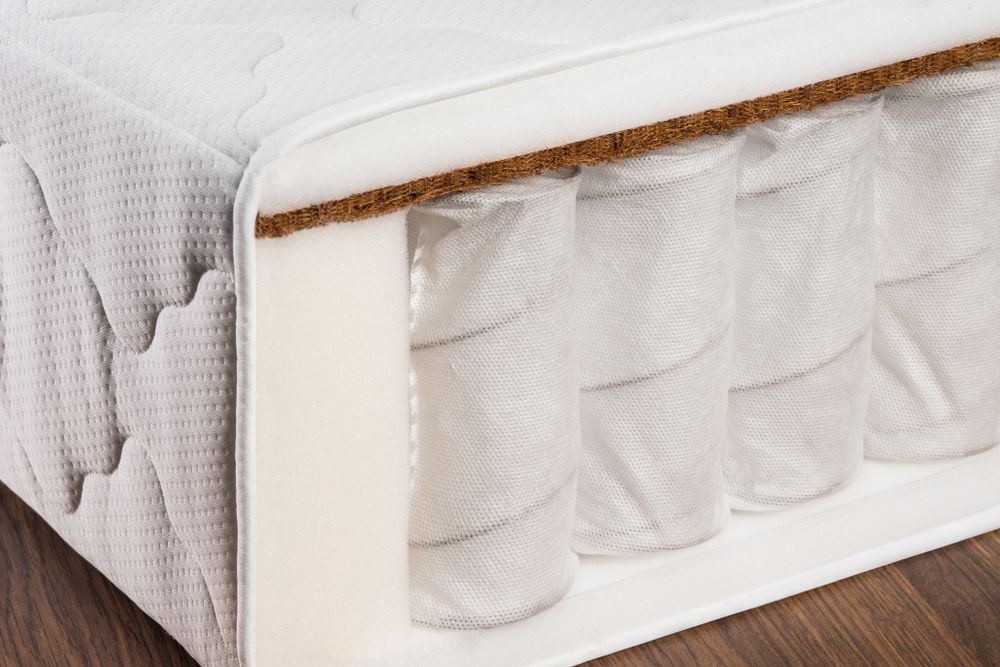
Before we go into why you should buy a pocket coil mattress, it is only right to know what it is. The pocket coil mattress is made of springs that are crafted from metal. The coils are then attached to a main base so that they are stable and facing upright. These coils are all tightly packed but are not connected. Each coil will then be wrapped in its own pocket. Hence the name, pocket coil mattress.

All pocket coil mattresses will vary in one way or another. This could be the thickness of the coils, height and the total count of the coils. Generally speaking, the firmer mattresses will have thicker coils and the softer mattresses will have thinner coils. This is also referred to as the coil gauge count.

The Amazing Benefits of a Pocket Coil Mattress

Here are some reasons why we believe you should invest in a pocket coil mattress.

Minimal Motion Transfer

Since the coils in a pocket coil mattress are all individually wrapped and separate from one another, the person laying on the mattress only uses the coils directly beneath their body. This means that when this person moves, they are not moving around the coils underneath their partner. This vastly reduces any motion transfer across the sleep surface in comparison to an innerspring mattress. 

It offers complete support

This is another major reason to invest in a pocket coil mattress. When you lay on this type of mattress, each coil reacts to the pressure of your body individually. Meaning that the heavier parts of your body experience more pressure relief from the pocket coils directly beneath. This is a plus for everyone but especially for the heavier folks who are looking to purchase a new mattress. 

Durability

Moving on, one of the standout features of a pocket coil mattress is the durability. With most pocket coil mattresses coming with a 10 year warranty, the very top of the line pocket coil mattresses can last between 10-12 years. The use of fabric encasement for the coils offers an added layer of support for the bed’s springs. Consequently, this enables them to provide you comfort and support for a longer time.

Refreshing Sleep

Adequate aeration during sleep is another reason why you should buy a pocket coil mattress. This construction allows for superb breathability and a temperature regulated sleep surface. 

What is the Price of a Pocket Coil Mattress?

When making a choice on which type of mattress to invest in, one of the main factors people will look into is the price. It is very difficult to provide a specific price point for a pocket coil mattress since they can vary so much. However, we assure you that you can find an extremely comfortable and durable pocket coil mattress for anywhere between $600-$800 in most mattress stores. Make sure to look out for any mattress sales in Toronto to get the very best deals! Pocket coil mattresses are now also available to be shipped as a Bed in a Box mattress.

The price will be determined by the coil count, coil thickness and also the layers of foams used in the mattress. 

Frequently Asked Questions About the Pocket Coil Mattress

Here are some common questions that can help you make the decision on whether to buy a pocket coil mattress.

How long will my Pocket Coil Mattress last?

There is no definite duration of how long your mattress will last. However, the general rule of thumb will suggest nothing less than ten years of use. Though, according to experts, you should be willing to change your mattress after about eight years of usage. This is because each spring’s exclusivity will make some age before the others, especially in areas where you lay on the most. When you notice that some parts of the mattress are ageing, it is best to change the mattress.

How firm will the coil mattress be?

This is dependent on the quality and the thickness of the springs used in your mattress. Different springs come with varying levels of tension. We suggest either visiting a mattress store to test out each mattress or purchasing from an online store that has a detailed product page and gives sufficient information regarding the firmness of the mattress. 

Summary

We believe that the Pocket Coil mattress is a great choice for most people! If you are looking for an affordable mattress which will not only offer you incredible support but also provide you many years of great comfort, look no further! If you’ve been searching for ‘Mattress Store Near Me‘ on your search engine, you can visit our showroom to find the best 100% Canadian made pocket coil mattresses for the best prices in the market!