 Masters
Are Soft Mattresses Bad For Your Back?

In this guide
No, a soft mattress is not automatically bad for your back. It depends on how you sleep, how much you weigh and what is underneath the soft layer. A plush surface over a supportive core is excellent for side sleepers and lighter bodies; a soft bed with nothing supportive underneath lets the hips sink and will give almost anyone a sore lower back. Here is when soft helps, when it hurts, and how to get softness without losing support.
Key takeaways
- Soft is good for side sleepers, lighter bodies (under 150 lb) and people with joint pain.
- Soft is risky for back and stomach sleepers and heavier bodies (over 225 lb), where the hips sink and the spine curves.
- The problem is rarely softness itself; it is a soft bed with a weak core.
- Best of both: a plush comfort layer over zoned pocket coils, i.e. a plush hybrid.
When Is a Soft Mattress Good for Your Back?
A soft mattress supports alignment and relieves pressure in the right circumstances:
- Side sleepers. A soft or medium-soft surface lets the shoulders and hips sink enough to keep the spine straight, which a firm bed cannot do.
- Lighter body types (under 150 lb). Lighter people do not compress a firm mattress enough to get any contouring, so the lower back is left unsupported. A softer surface fixes that.
- Arthritis, fibromyalgia and joint pain. Pressure relief reduces joint pain and muscle tension, which often matters more than extra firmness.
Look for high-quality pressure-relieving foam, memory foam or natural latex, so the softness comes from a comfort layer that still rests on a supportive base.
When Can a Soft Mattress Be Bad for Your Back?
- Back and stomach sleepers. A very soft surface lets the hips drop below the shoulders, the spine bows and the lumbar muscles strain all night.
- Heavier sleepers (over 225 lb). More weight means deeper sinkage at the hips and an unnatural curve, regardless of position.
- Mattresses without supportive layers. Not all soft beds are equal. Low-density foam with no proper core is soft all the way through and cannot hold the spine level.
The rule: excessive sinkage means poor alignment, and poor alignment means back pain over time. Our guide to why your back hurts in the morning explains the mechanics.
Should You Avoid Soft Mattresses Altogether?
No. Choose a mattress that is soft at the surface for comfort but supportive underneath for stability. That is exactly what a plush or medium-plush hybrid with zoned support delivers: a cushioning pillow top or euro top over pocket coils that push back under the hips. You get plush comfort and spinal support at the same time.
How to Tell Whether a Soft Mattress Is Supporting You
- Lie on your back. Your hips should sink only slightly lower than your shoulders; if you feel like you are in a hammock, it is too soft for you.
- Lie on your side. The shoulder and hip should sink in while your spine stays level; a friend can check from behind.
- Roll over. If changing position takes effort, the comfort layer is too deep or the core too weak.
- Give it two weeks at home. Softer beds take a little longer to judge, which is what the 100-night sleep trial is for.
Our Recommendation
If you want a softer mattress without compromising support, we usually point customers to the Dreamstar Royal Riviera, a 14-inch plush hybrid, the Sealy Posturepedic Plus Taryn Plush Pillow Top, and the Dreamstar Monaco plush euro top. All three pair a cushioning surface with a robust pocket-coil core, which is why they relieve or prevent back pain rather than causing it. Browse all plush mattresses.
Answer five questions about your position, weight and preferences and we will tell you where you land, with models to try.
Final Thoughts
A soft mattress is not automatically bad for your back, but it must be chosen carefully for your sleeping position, weight and comfort needs. When in doubt, aim for a medium to medium-firm feel with high-quality support materials, and read our full guide to the best mattress for back pain.
Frequently asked questions
Is a firm mattress better than a soft one for back pain?
Not always. Research consistently finds medium-firm the most effective for reducing back pain. Too firm and too soft both cause discomfort depending on your body type and sleep style.
Can a soft mattress cause lower back pain?
Yes, if it lets the hips sink below the shoulders, especially for back and stomach sleepers and heavier bodies. A soft surface over a supportive core usually does not.
What is the softest mattress that is still good for your back?
A plush hybrid: a thick pillow top or euro top of memory foam or latex over zoned pocket coils. The Dreamstar Royal Riviera and Sealy Taryn Plush are two examples.
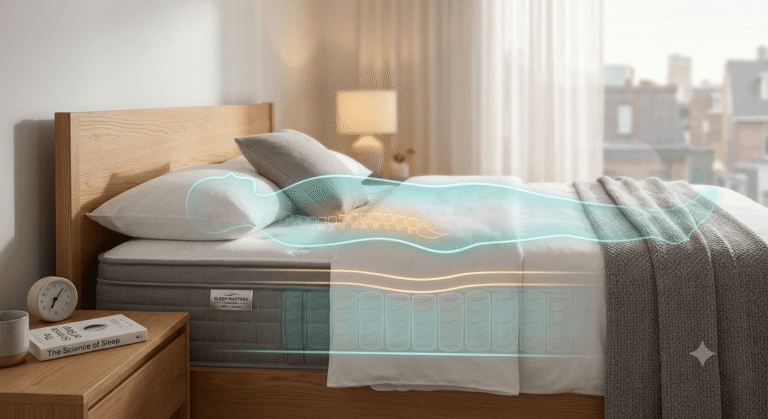 Back & Pain ReliefWhy Your Back Hurts in the Morning: The Ultimate Canadian Mattress Guide for Pain ReliefOct 28, 2026 · 7 min read
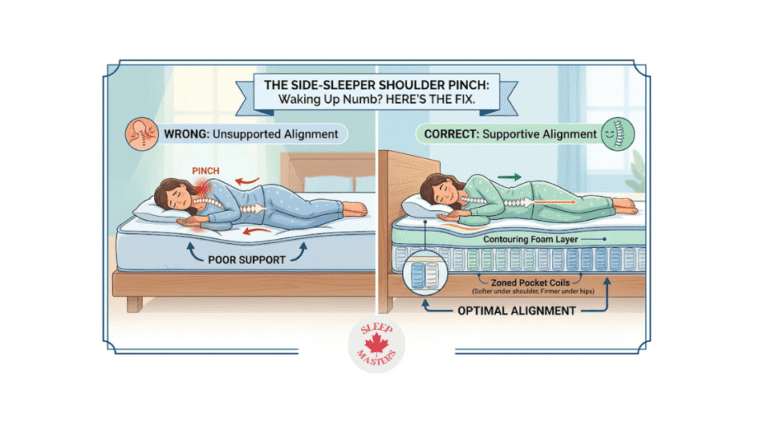 Back & Pain ReliefThe Side-Sleeper Shoulder Pinch: Why Your Mattress Is Numbing Your Arms (And How to Fix It)Oct 28, 2026 · 6 min read
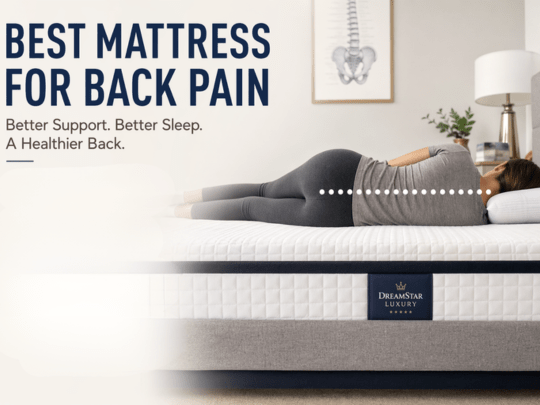 Back & Pain ReliefBest Mattress for Back Pain (2026 Guide)Oct 28, 2026 · 6 min read