 Masters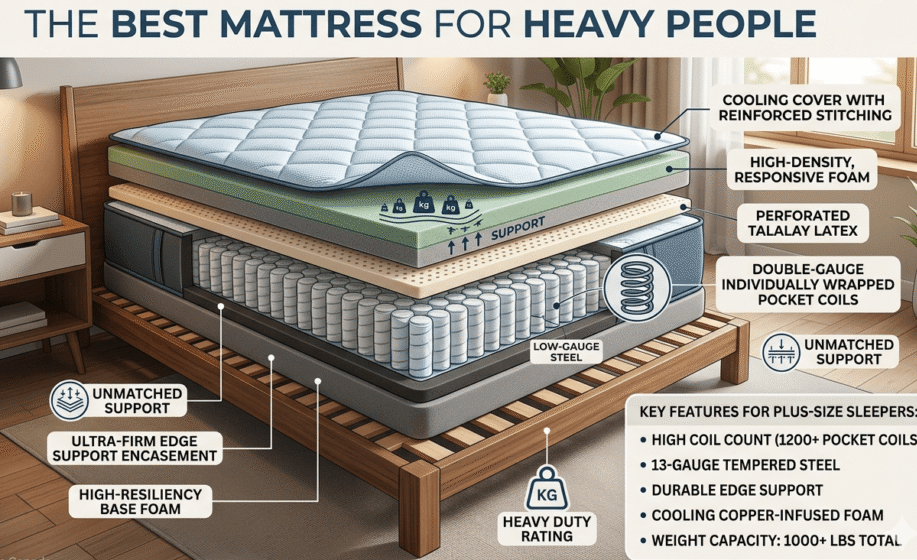
The Best Mattress for Heavy People: A Buyer’s Guide for Lasting Support
Finding the perfect mattress is hard enough, but if you weigh over 230 pounds (104 kg), the stakes are much higher. The standard mattresses flooded across social media often lack the foundational architecture needed for heavier body types.
Within a year or two, an inadequate mattress will begin to sag, leading to misaligned posture, morning back pain, and a very expensive return to square one.
If you are a plus-size sleeper, you do not just need a “firm” mattress—you need a high-resiliency support system. This guide breaks down exactly what to look for in a heavy-duty mattress so you can invest in a pain-free, restorative night’s sleep.
The 30-Second Summary: What Heavy Sleepers Need
If you are searching for a mattress that won’t sag under a heavy frame, prioritize these three non-negotiables:
Mattress Type: Hybrid or heavy-duty innerspring beds are vastly superior to all-foam beds for long-term durability.
Profile Thickness: Look for a mattress profile of at least 12 to 15 inches. Thin mattresses (under 10 inches) will bottom out quickly.
Foam Density: Any comfort foam layers must feature a minimum density of 1.8 lbs per cubic foot to prevent body impressions.
4 Crucial Features to Look For in a Heavy-Duty Mattress
To help you shop like a mattress design expert, focus on these four core engineering metrics rather than just marketing buzzwords.
1. Hybrid Mattresses Over Bed in a Box Mattresses
While the typical bed in a box type, all-foam beds feel incredibly contouring at first, memory foam compresses significantly under sustained heavyweight. Over time, it traps heat and loses its ability to push back.
The Fix: Choose a hybrid mattress. Hybrid designs pair thick, individually wrapped pocket coils at the base with responsive foam or latex on top. The coils provide structural “bounce-back” resistance, keeping your spine aligned while the top layers relieve pressure on your hips and shoulders.
2. High Coil Counts & Lower Coil Gauge
The strength of a mattress’s spring system is determined by coil count and coil gauge (thickness).
Coil Count: Look for a queen size with at least 1,000 to 1,200+ pocket coils. More coils mean weight is distributed more evenly across the surface.
Coil Gauge: Counterintuitively, a lower gauge number means a thicker, stronger coil. Heavy-duty beds should utilize 13 to 14-gauge steel coils along the perimeter and center zones for ultimate resistance to dipping.
3. Maximum Edge Support
Have you ever sat on the edge of a bed and felt like you were sliding off? That is a sign of poor edge support. For plus-size individuals, robust edge support is vital because it expands the usable sleep surface of the mattress, allowing you to sleep right up to the edge without sagging or roll-off. Look for brands that build a dedicated, extra-firm foam encasement or double-gauge coils around the entire perimeter.
4. Active Cooling Technology
Heavier body types naturally sink slightly deeper into a mattress surface. When you sink deeper, less air flows around your body, trapping heat.
Look for comfort layers infused with cooling gel, copper, or graphite, which actively pull heat away from the body.
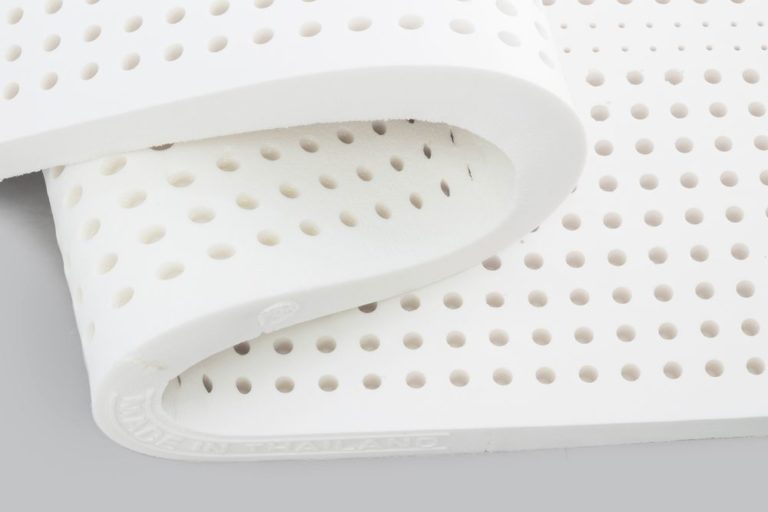
Natural Talalay or Dunlop latex is also an excellent alternative to memory foam, as latex is naturally perforated and hyper-breathable.
How to Choose Based on Your Sleeping Position
Your weight changes how much you sink, but your sleeping position dictates where you need support.
| Sleeping Position | What Heavy Sleepers Must Look For | Recommended Firmness Level |
| Back Sleepers | Needs a reinforced center zone (lumbar support) to prevent the pelvis from dipping too low, which causes lower back stiffness. | Firm to Extra Firm (7-10 out of 10) |
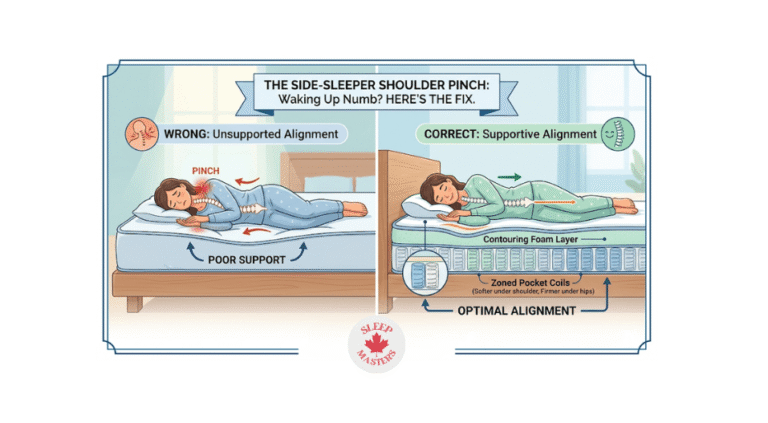
| Side Sleepers | Needs a slightly thicker, adaptive top comfort layer to cradle the shoulders and hips while keeping the heavy-duty coil core underneath. | Medium-Firm to Firm (7-8 out of 10) |
| Stomach Sleepers | Needs maximum chest-to-hip stability. If the mattress is too soft, the midsection will sink, creating a painful swayback arch in the spine. | Firm to Extra Firm (7-10 out of 10) |
The Heavy Sleeper’s Buying Checklist
Before you enter a showroom or click “Add to Cart,” walk through this checklist to make sure the model is truly designed for longevity:
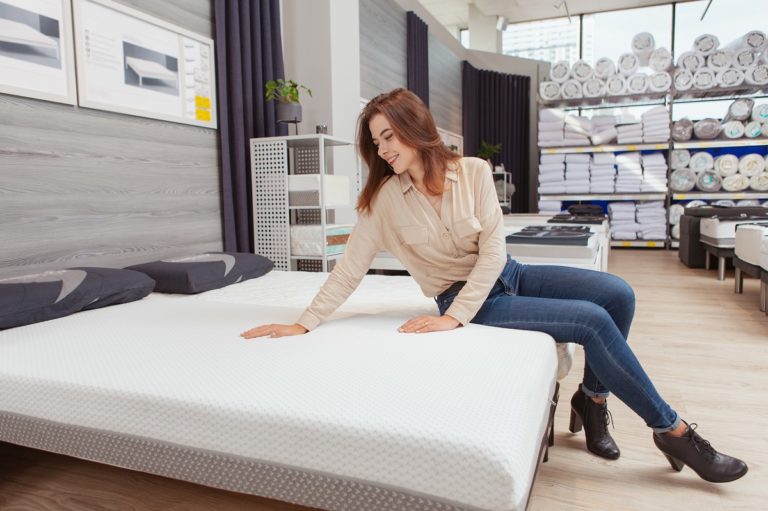
Expert Takeaway: Do not make the mistake of buying based on the first five minutes of “initial feel” alone. A soft mattress might feel like a cloud in a showroom, but if the foundational support core isn’t built to handle sustained load, your muscles will be working overtime to keep your spine straight all night. Prioritize the internal architecture first, and add a mattress topper later if you prefer a plusher surface.
Ready to Find Your Perfect Match?
At Sleep Masters Canada, we have helped many of our plus sized clients find their perfect mattress match. Here are our recommendations according to sleep style:
Side Sleepers: Beautyrest Centennial Ares Tight Top Firm, Dreamstar Double Life Copper Hybrid Firm Flippable
Back or Stomach Sleepers: Dreamstar Orthopedic Supreme Mattress, Dreamshadow High Density Extra Firm Flippable