
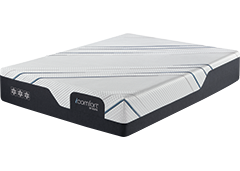
 Serta
Serta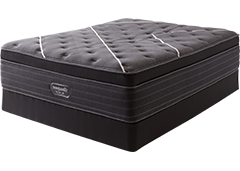 Simmons BeautyRest®
 Sealy Mattresses
 Dreamstar Mattresses
 Pocket Coil
 Memory Foam
 Pillow-Top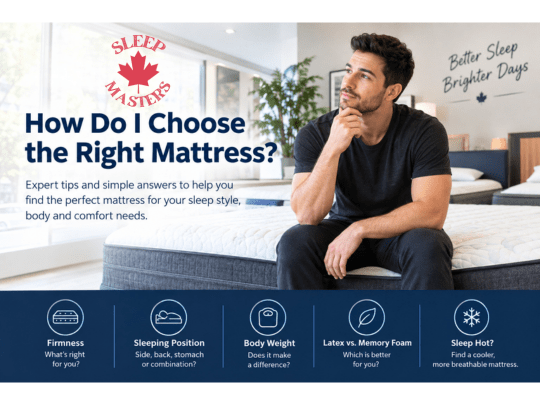
How Do I Choose the Right Mattress?
Choosing the right mattress can feel overwhelming. There are hundreds of options, different firmness levels, foam types, coil systems, mattress heights and materials to consider. So, how do you actually know which mattress is right for you?
The good news is that choosing a mattress does not have to be complicated.
The best mattress for you will depend primarily on your sleeping position, body weight, preferred comfort level and the type of support and pressure relief your body needs. Other factors, such as whether you sleep hot, prefer natural materials, sleep with a partner or have specific comfort requirements, can help narrow your choices even further.
At Sleep Masters Canada, we believe the right mattress should be selected based on suitability first and personal preference second. Your preference matters because a mattress needs to feel comfortable to you, but it is also important that the mattress is appropriate for your body and sleeping style.
In this guide, we’ll answer some of the most common questions about choosing a mattress, including:
- What firmness should I choose?
- Does my sleeping position matter?
- What is better, organic latex or memory foam?
- What mattress is best for side sleepers?
- What mattress is best for back sleepers?
- What mattress is best for stomach sleepers?
- How do I choose a mattress if I sleep hot?
- What type of mattress is best for combination sleepers?
- Should I choose a foam, innerspring or hybrid mattress?
- How important is mattress support?
- How long should a good mattress last?
What Firmness Should I Choose?
The firmness of your mattress should primarily be selected based on suitability, with personal preference also playing an important role.
There is no single firmness level that is right for everyone.
A mattress that feels perfectly comfortable to one person may be completely unsuitable for another. Your body weight, sleeping position and how your body interacts with the mattress all influence which firmness level will work best.
For example, a heavier person who primarily sleeps on their back will generally require a firmer mattress than a lighter person who sleeps on their side. A very soft mattress may allow the heavier back sleeper’s hips and midsection to sink too deeply, reducing the level of support they receive.
On the other hand, a very light side sleeper may find an extremely firm mattress uncomfortable because their shoulders and hips cannot sink into the surface enough to receive adequate pressure relief.
Suitability should come first
When choosing between mattresses, we recommend thinking about firmness in this order:
1. Is the mattress suitable for my body and sleeping position?
2. Within that suitable range, which comfort level do I personally prefer?
This distinction is important.
If your body and sleeping position suggest that you should be somewhere around a medium-firm feel, for example, you may prefer something slightly softer or slightly firmer. That’s perfectly reasonable.
However, choosing a mattress that is dramatically outside your suitable range simply because you like the feeling of an extremely soft or extremely firm mattress can create problems with support or pressure relief.
Ultimately, the goal is to find the sweet spot between suitability and personal comfort preference.
Does My Sleeping Position Matter When Choosing a Mattress?
Yes. Your sleeping position is one of the most important factors to consider when choosing a mattress.
The reason is simple: different sleeping positions place pressure on different parts of your body and require different types of support.
The three primary sleeping positions are:
- Side sleeping
- Back sleeping
- Stomach sleeping
Many people are also combination sleepers, meaning they change positions throughout the night. Combination sleepers will need to find the right balance, and usually are best suited for mattresses within a medium-soft to medium-firm range.
Let’s look at each one.
What Mattress Is Best for Side Sleepers?
For side sleepers, pressure relief should be the number-one priority. Support comes second.
When you sleep on your side, your shoulders and hips bear much of your body’s weight against the mattress. If the mattress is too firm, these areas may not be able to sink into the mattress sufficiently.
This can create uncomfortable pressure points, particularly around the shoulders, hips and sometimes knees.
That’s why side sleepers should generally look for a mattress with a pressure-relieving comfort layer near the surface.
What materials are good for side sleepers?
Memory foam and organic latex are both excellent materials for pressure relief.
A mattress with either of these materials near the surface can allow the shoulders and hips to sink into the mattress while still maintaining support underneath the body.
A slightly softer high-density foam can also provide good pressure relief, although memory foam and latex are generally more effective at conforming to the body’s shape.
Once you’ve found a mattress with suitable pressure-relieving materials, the next question is:
How soft should it be?
This is where body weight becomes particularly important.
A very light side sleeper can generally use a softer mattress because they don’t compress the mattress as deeply.
As body weight increases, a sleeper will generally need to move toward a firmer comfort level to prevent excessive sinking while still maintaining pressure relief.
So, for a side sleeper, the basic formula is:
Pressure relief first → appropriate firmness second → personal preference third.
What Mattress Is Best for Back Sleepers?
Back sleepers generally need to prioritize support first, followed by comfort and pressure relief.
When sleeping on your back, one of the most important considerations is keeping your lower back from sinking too deeply into the mattress.
If the mattress is too soft for your body weight, your hips and midsection can sink excessively. This can affect how well the mattress supports your body and can make the mattress feel unsupportive.
A back sleeper should therefore look for a mattress that is either:
- Firm enough to support their body properly, or
- Designed with additional support through the center third of the mattress.
Why is the center third important?
The center third of a mattress is the area underneath your torso, hips and lower back.
Some mattresses use additional reinforcement in this area to provide more support where it is needed most.
This can be achieved through different construction methods, including zoned pocket coils, reinforced coil systems or additional supportive foam.
Again, body weight plays an important role in determining how firm a back sleeper should go.
A lighter back sleeper may be perfectly comfortable on a medium mattress, while a heavier back sleeper may require a medium-firm or firmer mattress to prevent excessive sinking.
What Mattress Is Best for Stomach Sleepers?
Stomach sleepers generally need more support and should be cautious about choosing a mattress that is too soft.
When sleeping on your stomach, your hips and midsection can sink deeply into a soft mattress. This can create an uncomfortable feeling of being “stuck” in the mattress and may reduce the support you receive.
For this reason, stomach sleepers generally benefit from a medium-firm to firm mattress, with the exact firmness depending on body weight and personal preference.
However, “firm” does not necessarily mean “rock hard.”
A mattress can provide excellent support while still having enough cushioning on the surface to remain comfortable.
What Is Better: Organic Latex or Memory Foam?
There isn’t one universal winner between organic latex and memory foam. Both materials have advantages and disadvantages, and the better option depends on what you want from your mattress.
Both can provide excellent pressure relief, but they have very different feels.
Organic Latex
Organic latex is a natural material that can provide a combination of pressure relief, support and responsiveness.
Some of the key advantages of organic latex include:
- Natural and organic construction
- Excellent durability
- Strong support
- Good pressure relief
- Responsive feel
- Breathability
- Less of a “sinking” sensation than traditional memory foam
- Resistance to dust mites and mould when properly constructed and maintained
Latex tends to feel more responsive than memory foam. Instead of slowly sinking into the material, you generally feel more supported “on” the mattress.
For people looking for an organic, durable and supportive mattress, organic latex can be an excellent choice.
Memory Foam
Memory foam is particularly well known for its ability to contour around the body.
Its biggest advantage is often its excellent pressure-relieving ability.
Memory foam can be particularly appealing to side sleepers because it can conform closely around areas such as the shoulders and hips.
Modern memory foams usually also incorporate cooling technologies, including gel or other temperature-management materials such as copper.
Memory foam can be extremely durable as well, although high-quality natural latex generally has an advantage when it comes to long-term durability.
So which should you choose?
If you prioritize:
Natural materials + durability + responsiveness + support → consider organic latex.
If you prioritize:
Deep contouring + pressure relief + cooling → consider memory foam.
How Do I Choose a Mattress If I Sleep Hot?
If you sleep hot, look for a mattress that is breathable, cooling, or ideally both.
One of the reasons we often recommend pocket-coil and hybrid mattresses to hot sleepers is airflow.
A pocket-coil mattress contains individually wrapped coils with spaces between them, allowing considerably more airflow through the mattress than a solid block of foam.
This makes hybrid mattresses an excellent starting point for someone who tends to sleep warm.
Look for breathable mattress construction
A mattress can be made cooler through several different features, including:
- Pocket coils
- Breathable foam
- Cooling gel memory foam
- Breathable mattress covers
- Moisture-wicking fabrics
- Natural fibres such as cotton or wool
- Ventilated designs
For example, a hybrid mattress can combine a breathable pocket-coil support system with cooling gel memory foam on top.
This provides both airflow underneath the sleeper and temperature-management features within the comfort layers.
Your mattress isn’t the only factor
It’s also worth remembering that your sheets, comforter, bedroom temperature and even mattress protector can affect how hot you sleep.
A breathable mattress can help, but your entire sleep environment matters.
So, How Do I Choose the Right Mattress?
The right mattress is the one that provides the appropriate combination of support, pressure relief and comfort for your body, sleeping position and personal preferences.
There isn’t one mattress that is perfect for everybody.
As a general starting point:
Side sleepers: Prioritize pressure relief, then find the appropriate firmness for your body weight.
Back sleepers: Prioritize support and make sure your lower back and hips aren’t sinking excessively.
Stomach sleepers: Look for sufficient support and avoid mattresses that allow excessive sinking through your midsection.
Combination sleepers: Look for a balanced mattress that provides both pressure relief and support across multiple sleeping positions.
Heavier sleepers: Generally move toward a firmer option than a lighter person sleeping in the same position, without automatically choosing an extremely firm mattress.
Lighter sleepers: Generally compress a mattress less and can often choose a softer comfort level, although personal preference still matters.
Hot sleepers: Look for breathable construction such as pocket coils, along with cooling materials where appropriate.
Natural-material shoppers: Organic latex, wool and organic cotton can be excellent materials to consider.
Ultimately, choosing the right mattress isn’t about finding the mattress with the longest list of features. It’s about understanding how those features work together and whether they are suitable for you.
Need Help Choosing the Right Mattress?
If you’re still unsure which mattress is right for you, that’s completely understandable. Mattress specifications can be confusing, particularly when different manufacturers use different terminology for firmness, materials and construction.
At Sleep Masters Canada, we can help you narrow down your options based on your body weight, sleeping position, comfort preferences and specific requirements.
You can also complete our Mattress Selector Form, and we’ll review your information and provide a mattress recommendation based on your individual needs.
Not sure where to start? Let us help you find the right mattress.