 Masters
How to Make Your Memory Foam Mattress Softer
In this guide
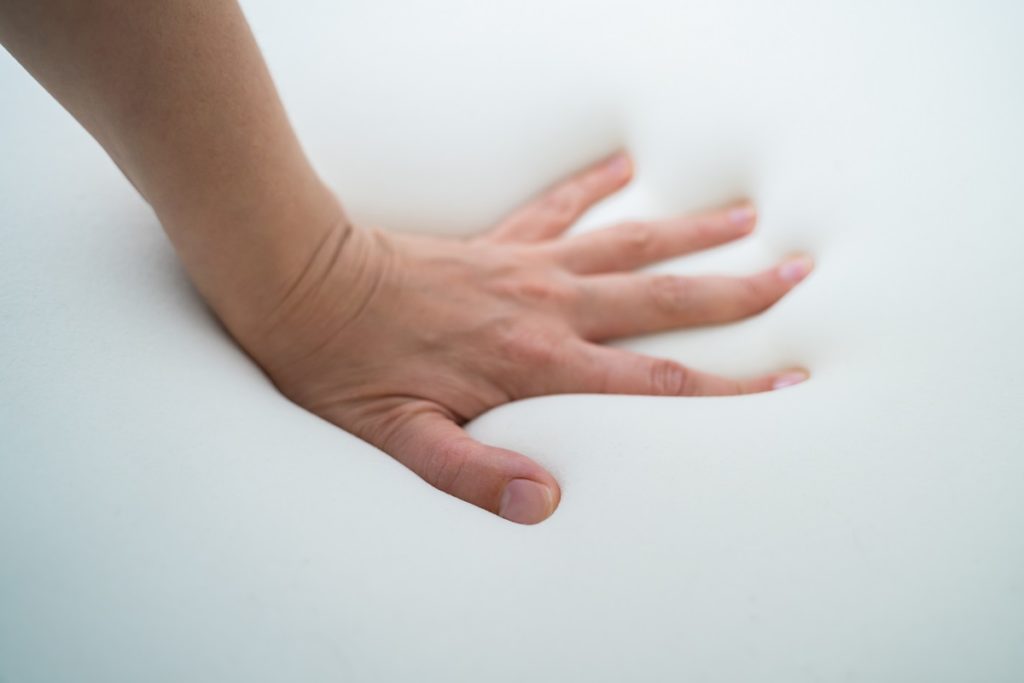
The fastest ways to make a memory foam mattress softer are to give it time to break in (most soften noticeably in 30 to 60 nights), keep the bedroom a little warmer, and add a 2 to 3 inch soft topper. Also check your foundation: a rigid, solid base can make foam feel firmer than intended. If the mattress is still too firm after the break-in period and you are within a sleep trial, an exchange for a softer model is usually the better long-term fix.
Key takeaways
- New memory foam is at its firmest on day one; give it 30–60 nights of regular use before judging.
- Memory foam is temperature-sensitive, so a cold Toronto bedroom in winter makes it feel firmer.
- A soft memory foam or latex topper is the quickest, most reliable fix.
- Do not flip a one-sided memory foam mattress; the firm support base is not meant to be slept on.
- Too firm for side sleeping? Shoulder and hip pain mean you need a softer comfort layer, not just patience.
Why your memory foam mattress feels too firm
- It is new. Fresh foam cells are tight and need regular body weight to loosen. Mattresses that arrived compressed in a box also take 24–72 hours just to reach full shape.
- The room is cold. Viscoelastic foam softens with heat. At 17–18 °C, memory foam can feel noticeably firmer than in a warm showroom.
- Your body is still adjusting. If you are coming from an old, sagging mattress, proper support can feel “hard” for the first couple of weeks.
- It is the wrong firmness for you. Lighter sleepers (under about 130 lb) and side sleepers often need a softer comfort level than the average.
7 ways to make a memory foam mattress softer
1. Give it the full break-in period
Sleep on it every night and use the whole surface. Most manufacturers allow 30 days or more before they will consider a comfort exchange, because the feel genuinely changes in that time.
2. Speed up the break-in
Walk gently across the mattress in socks for a few minutes each day, kneeling or crawling to spread weight, or sit and roll in different areas. This helps open up the foam cells faster. Avoid jumping, which can damage the foam and is not covered by the warranty.
3. Warm up the room
Raise the thermostat a degree or two before bed, or use flannel sheets or a heated mattress pad on low for 15 minutes before getting in (and switch it off before sleeping). Warmer foam softens and contours more readily.
4. Add a soft topper
A 2 to 3 inch soft memory foam or latex topper is the most effective quick fix. Choose a topper softer than your mattress; latex or gel-infused foam if you sleep warm. Our guide to choosing a mattress topper covers thickness and materials in detail.
5. Try a thick mattress pad or wool layer
If you only need a slight change, a quilted pad or wool topper adds a cushioned surface for less money than a full foam topper.
6. Check the foundation
Memory foam needs a flat, supportive base, but a solid plywood platform or the floor can make it feel firmer than on a slatted base with a little give. Make sure your foundation matches the manufacturer’s recommendation; do not place soft materials under the mattress, as that can create uneven support and void the warranty.
7. Rotate (do not flip)
Rotate the mattress head-to-foot every few months to keep the feel even. Almost all memory foam mattresses are one-sided, so flipping puts you on the firm support base.
When it is not the mattress being too firm: if you wake with numb arms, shoulder or hip pain on your side after a month, the comfort layer is too thin or too firm for your body. A topper may help, but if you are within a sleep trial, exchanging for a softer model is usually the better fix. Read about the side-sleeper shoulder pinch.
Quick fixes compared
| Fix | Cost | How much softer | Time |
|---|---|---|---|
| Break-in | Free | Small to moderate | 30–60 nights |
| Warmer room | Free | Small | Immediate |
| Mattress pad or wool topper | Low | Small | Immediate |
| 2–3 in foam or latex topper | Moderate | Significant | Immediate |
| Exchange within sleep trial | Varies | Exactly what you need | Days |
Softer mattresses to consider
If you are shopping or exchanging, these plush and medium models give side sleepers and lighter sleepers the cushioning they need.
Browse all plush mattresses.
Answer five quick questions and the Mattress Selector will match your weight and sleep position to the right comfort level.
Frequently asked questions
Do memory foam mattresses get softer over time?
Yes. Most soften noticeably over the first 30 to 60 nights as the foam cells open up, then stay fairly consistent for years.
Why is my memory foam mattress hard in winter?
Memory foam is temperature-sensitive and firms up in a cool room. Warming the bedroom slightly or using flannel sheets helps it soften.
Can I flip my memory foam mattress to make it softer?
Almost never. Memory foam mattresses are one-sided, with a firm support base on the bottom. Rotate head-to-foot instead.
What is the best topper to soften a firm mattress?
A 2 to 3 inch soft memory foam topper for maximum contouring, or soft latex if you sleep hot and want a more responsive feel.
How long should I wait before deciding a mattress is too firm?
Give it at least 30 nights. If you still wake with pressure pain after that, consider a topper or a comfort exchange within your sleep trial.