 Masters
The Real Reason You Wake Up at 3:00 AM (According to Sleep Science)
If you regularly find yourself staring at your bedroom ceiling at exactly 3:00 AM, you are not alone. Millions of Canadians experience this exact middle-of-the-night disruption. While it feels like a sudden penalty, waking up in the early hours of the morning is a deeply predictable biological event driven by your internal body clock, natural hormone transitions and environmental triggers.
Why Do I Wake Up at 3:00 AM Every Night?
The Quick Answer: Waking up at 3:00 AM is typically caused by the intersection of your natural sleep architecture and a normal cortisol spike. Around 3:00 AM, your body transitions from deep, restorative slow-wave sleep into lighter REM (dreaming) sleep. If your stress hormones, blood sugar levels, or sleeping environment are unbalanced, this natural transition easily jolts you completely awake instead of allowing you to drift into the next cycle.
1. What is the Biology Behind the 3:00 AM Wake-Up?
To understand why your brain activates at 3:00 AM, you have to look at how your body schedules its sleep cycles. Sleep is not a flat line of unconsciousness; it is an active, fluctuating series of waves.
[ 10:00 PM - 2:00 AM ]  --> Primary Deep Sleep (Hard to wake up)
[  2:00 AM - 6:00 AM ]  --> Primary Light/REM Sleep (Very easy to wake up)
During the first half of the night (typically 10:00 PM to 2:00 AM), your brain prioritizes deep, slow-wave sleep. This is physical recovery time. It takes a massive disruption to wake you up during this window.
However, after 2:00 AM or 3:00 AM, the math changes completely. Your brain switches gears, spending the majority of its time in Stage 2 Light Sleep and REM (Rapid Eye Movement) sleep. During these lighter stages, your internal sensory gates swing open. Your brain actively monitors your room for temperature changes, noises, and physical discomfort.
2. How Do Stress and the “Cortisol Trap” Affect Your Sleep?
Your body regulates sleep and wakefulness using a chemical see-saw of melatonin (the sleep hormone) and cortisol (the alertness hormone).
Under normal conditions, your cortisol levels naturally begin to climb around 2:00 AM to 3:00 AM, preparing to wake you up gently by sunrise. However, if you are experiencing daily anxiety, chronic stress, or burnout, your baseline stress hormones are already elevated.
When your natural 3:00 AM cortisol surge combines with pre-existing daytime stress, it acts like an internal alarm clock. Instead of shifting smoothly from deep sleep to light sleep, your brain misinterprets the chemical surge as a threat, activating your sympathetic nervous system—leaving you wide awake, anxious, and heart racing.
3. How Do Diet and Blood Sugar Triggers Cause Middle-of-the-Night Insomnia?
What you consume before bed heavily dictates your stability at 3:00 AM. The two primary dietary culprits are:
The Late-Night Sugar Crash: Eating a high-carb snack or sugary treat close to bedtime causes a rapid spike in blood glucose. A few hours later, around 3:00 AM, your pancreas overcorrects, causing your blood sugar to crash (hypoglycemia). Your brain views low fuel as an emergency and releases adrenaline and cortisol to convert stored glucose, waking you up instantly.
The Alcohol Fragmentation Trap: Many people use a glass of wine or beer to fall asleep faster. While alcohol is a sedative that helps you pass out, it severely fragments your sleep architecture. Once your liver metabolizes the alcohol (roughly 3 to 4 hours into the night), you experience a “rebound effect,” forcing your brain straight into an ultra-light, easily disrupted sleep state.
4. Is Physical Discomfort Waking You Up Without You Realizing It?
Because your body enters its lightest sleep phases after 3:00 AM, subtle physical micro-stressors that you safely ignored at 11:00 PM will now fully wake you up.
| Physical Stressor | The 3:00 AM Impact | The Immediate Fix |
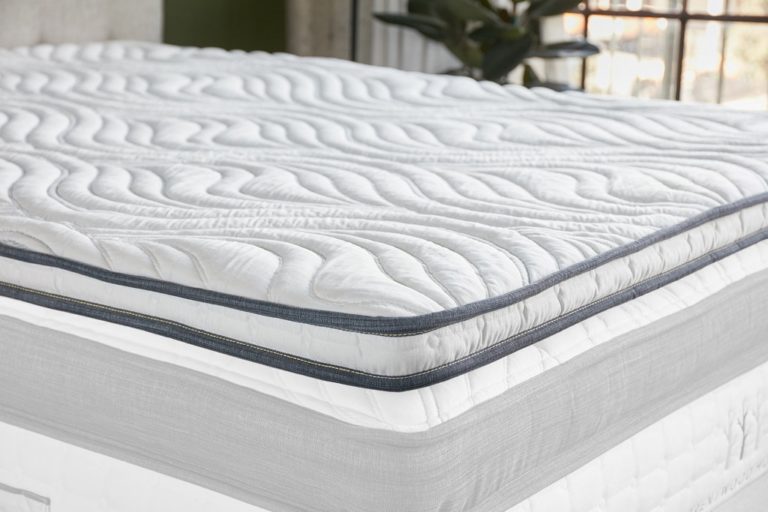
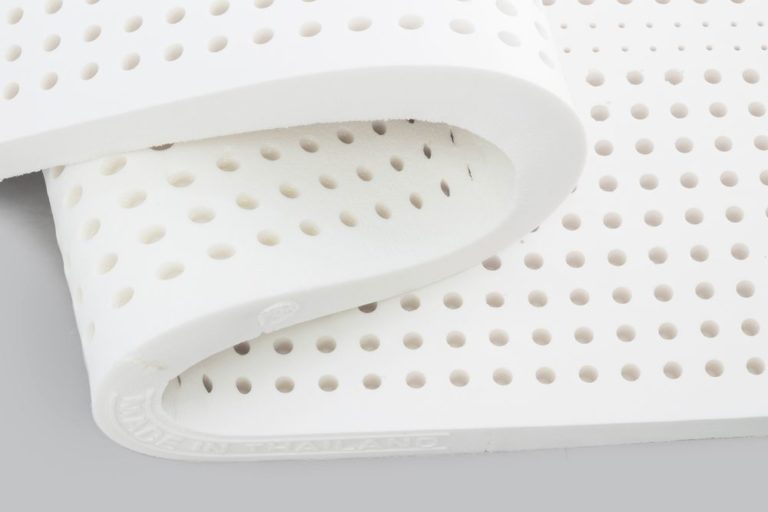
| Thermal Heat Trapping | Core body temperature must drop by 1°C for deep sleep. Synthetic foams or poor airflow trap body heat, triggering a sweat wake-up. | Switch to breathable, organic materials or hybrid pocket-coil designs that naturally circulate air. |
| Spinal Realignment Pressure | A sagging or low-density mattress causes hips and shoulders to sink too far, pinching lower back nerves during light sleep. | Look for an ergonomically zoned or flippable mattress that keeps the spine neutral. |
| Motion Transfer | A sleeping partner or pet moving during your REM cycle will pull you into consciousness if your bed lacks isolation. | Move away from old open-coil springs toward individually wrapped pocket coils. |
5. What Should You Do When You Wake Up at 3:00 AM? (The 20-Minute Rule)
If you find yourself awake, the absolute worst thing you can do is lie in bed looking at the clock and doing the mathematical countdown of how many hours of sleep you have left. This activates a mental frustration loop that breeds chronic insomnia.
Instead, execute The 20-Minute Rule:
Do Not Check Your Phone: Blue light from your phone screen instantly halts melatonin production, signaling to your brain that it is daytime.
Get Out of Bed: If you are awake for more than 20 minutes, quietly get out of bed. Go to a dimly lit room and practice breathing exercises.
Return Only When Sleepy: Do not go back to bed until your eyelids feel heavy. This trains your brain to associate your mattress strictly with sleep, not frustration.
Frequently Asked Questions (FAQ)
Why do I always wake up at 3:00 AM exactly?
Waking up at the exact same time every night happens because your body operates on a strict, predictable circadian rhythm. Your sleep cycles last roughly 90 to 110 minutes each. If you go to bed around 10:00 PM or 11:00 PM, you will consistently hit your most vulnerable transition into light REM sleep right around 3:00 AM.
Does waking up at 3:00 AM mean I have insomnia?
Not necessarily. Occasional nighttime awakenings are a normal part of human evolution (historically known as segmented sleep). It only becomes clinical insomnia if it happens more than three nights a week, lasts for over a month, and severely impacts your daytime energy and focus.
How can I stop waking up in the middle of the night?
To stabilize your sleep, reduce caffeine intake after 12:00 PM, avoid alcohol and high-sugar snacks within 3 hours of bed, practice stress reduction before sleep, and optimize your bedroom environment by keeping it cool (around 18°C) and ensuring your mattress provides balanced support.
Published: June 9, 2026
Author: Sleep Masters Canada Research Team