 Masters
How to Clean a Memory Foam Mattress (Without Ruining It)
In this guide
To clean a memory foam mattress, vacuum it, spot-clean stains with a lightly dampened cloth and a mild detergent solution, deodorize with baking soda, and let it dry completely before making the bed. The one rule that matters more than any other: never soak memory foam. Water trapped inside the foam takes days to dry and can lead to mould. Here is the full routine, plus fixes for sweat, urine and blood stains.
Key takeaways
- Vacuum the surface every 1–2 months and deep-clean with baking soda every 6 months.
- Spot-clean only: use a damp (not wet) cloth, blot rather than rub, and dry with airflow or a fan.
- Skip steam cleaners, bleach and harsh chemicals; they break down the foam and void most warranties.
- Many memory foam mattresses have a removable cover that can be machine washed; check the care label.
- A waterproof protector prevents 90 percent of the cleaning you would otherwise do.
Before you start: check the cover
Most modern memory foam mattresses, including the bed-in-a-box models we sell, have a zip-off cover. If yours does, unzip it and wash it according to the label (usually cold, gentle, air dry or low tumble). Do not put the foam itself anywhere near a washing machine, and do not sleep on the bare foam while the cover dries.
Routine cleaning (every 1–2 months)
- Strip the bed and wash sheets and the protector in hot water.
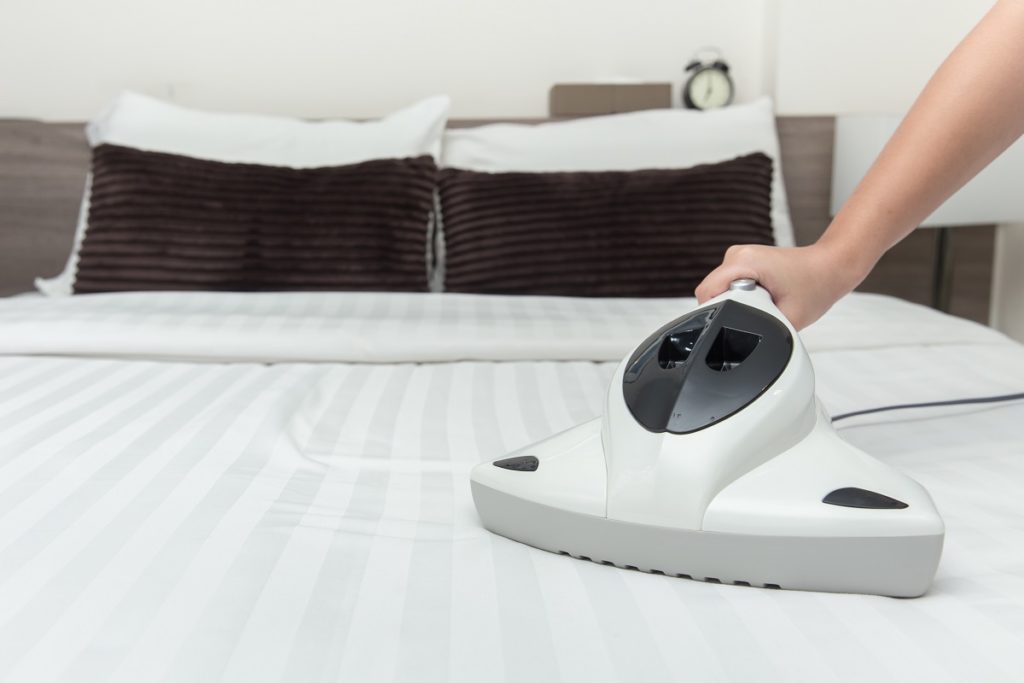
- Vacuum the mattress with the upholstery attachment, slowly, in overlapping strokes. Pay attention to seams and the edges where dust, skin cells and pet hair collect. Vacuum the foundation and under the bed too.
- Deodorize by sprinkling a thin, even layer of baking soda over the surface. Leave it for at least 30 minutes (several hours is better), then vacuum it up. Baking soda absorbs odours and moisture without wetting the foam.
- Air it out for an hour with a window open or a fan running before remaking the bed.
How to spot-clean stains on memory foam
Mix one part mild liquid laundry detergent or dish soap with two parts cool water. Dip a clean cloth in the solution, wring it until it is barely damp, and dab the stain working from the outside in. Blot with a dry cloth, then dab again with a cloth dampened in plain water to lift any soap. Finish by pressing dry towels onto the area and letting it air dry fully with a fan. Never pour liquid onto the mattress or rub hard; both push the stain and moisture deeper.
Sweat and yellow stains
Mix equal parts 3% hydrogen peroxide and water (test on a hidden corner first, as peroxide can lighten fabric). Dab, blot and dry as above. For odour, follow with a baking soda treatment.
Urine (kids and pets)
- Blot up as much as possible immediately with paper towels, pressing firmly.
- Lightly spray a 50/50 mix of white vinegar and water over the area; the vinegar neutralizes the ammonia smell. Blot again.
- Cover the damp area with a thick layer of baking soda and leave it 8 hours or overnight.
- Vacuum thoroughly and let the mattress dry completely with a fan before using it.
For set-in urine odour, an enzyme-based pet stain cleaner (sprayed lightly, not soaked) breaks down the proteins that cause the smell.
Blood
Use cold water only; heat sets blood. Dab with a cloth dampened in cold water and a little hydrogen peroxide, blotting repeatedly, then dry.
Vomit or food spills
Remove solids, then treat with the detergent solution. Follow with the vinegar spray for odour and a baking soda treatment.
Drying memory foam properly
Moisture is the real enemy. After any wet cleaning, press clean dry towels into the spot to pull out water, then point a fan at the area for several hours. Sunlight helps if you can move the mattress near a window. A hair dryer on the cool or low setting speeds things up; high heat can damage the foam. Do not put sheets back on until the area is dry to the touch and smells neutral.
Avoid: steam cleaners (too much moisture and heat), bleach, ammonia and solvent cleaners (they degrade foam and discolour the cover), and saturating the mattress. These are the most common ways people ruin a memory foam mattress and void its warranty.
Preventing stains in the first place
- Use a waterproof, breathable mattress protector; wash it monthly with your sheets.
- Rotate the mattress head-to-foot every 3 to 6 months so wear and moisture spread evenly.
- Let the mattress breathe: leave the bed unmade for an hour in the morning when you can.
- Keep food, drinks and pets off the bed where possible.
Regular cleaning also extends the life of the mattress; see how long a memory foam mattress lasts and our general mattress freshness guide. If you are dealing with pests rather than stains, read how to get rid of bed bugs in a memory foam mattress.
Protectors and easy-care memory foam
Find waterproof protectors in our mattress accessories.
If the mattress is sagging or stained through, answer five quick questions and we will suggest three replacements with free GTA delivery.
Frequently asked questions
Can you wash a memory foam mattress?
Not the foam itself. Wash the removable cover if it has one, and spot-clean the foam with a barely damp cloth. Soaking memory foam traps water inside and can cause mould.
Can you steam clean a memory foam mattress?
No. Steam pushes moisture deep into the foam and the heat can damage it. Use baking soda for odours and a damp cloth for stains instead.
How do you get the smell out of a memory foam mattress?
Sprinkle baking soda over the whole surface, leave it for several hours, and vacuum it up. For urine or sweat odours, lightly spray a 50/50 vinegar and water mix first, blot, then apply the baking soda. New-mattress smell fades on its own within a few days with airflow.
How often should I clean my memory foam mattress?
Vacuum every one to two months when you change the protector, deodorize with baking soda every six months, and spot-clean spills immediately.
How long does memory foam take to dry after cleaning?
A small spot-cleaned area dries in 4 to 8 hours with a fan. A larger wet area can take 24 hours or more, which is why it is important to use as little liquid as possible.