 Masters
How to Get Rid of Bed Bugs in a Memory Foam Mattress
In this guide
To get rid of bed bugs in a memory foam mattress, strip and hot-wash all bedding, vacuum every seam and the underside of the mattress, steam or heat-treat the surface, then seal the mattress in a certified bed bug encasement for at least a year. Because bed bugs hide in the frame, baseboards and furniture as much as the mattress, a moderate or severe infestation usually needs a licensed pest control company. Here is the step-by-step plan, and when it is time to replace the mattress.
Key takeaways
- Bed bugs cannot burrow into solid memory foam; they hide in seams, tags, the cover zipper and the underside, which makes foam mattresses easier to treat than coil ones.
- Heat kills bed bugs and eggs at 50 °C (122 °F) and above. Hot wash and high-heat drying, steam and professional heat treatment all work; sprays alone rarely do.
- A zippered bed bug encasement traps any survivors inside so they starve, and makes future inspections easy.
- Replace the mattress only if it is torn, heavily stained or the infestation keeps returning after proper treatment; a new mattress in an untreated room gets re-infested.
Can bed bugs live in a memory foam mattress?
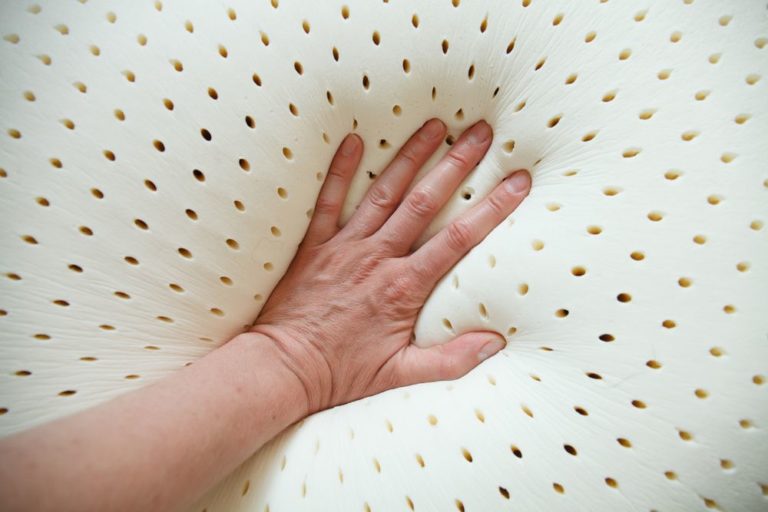
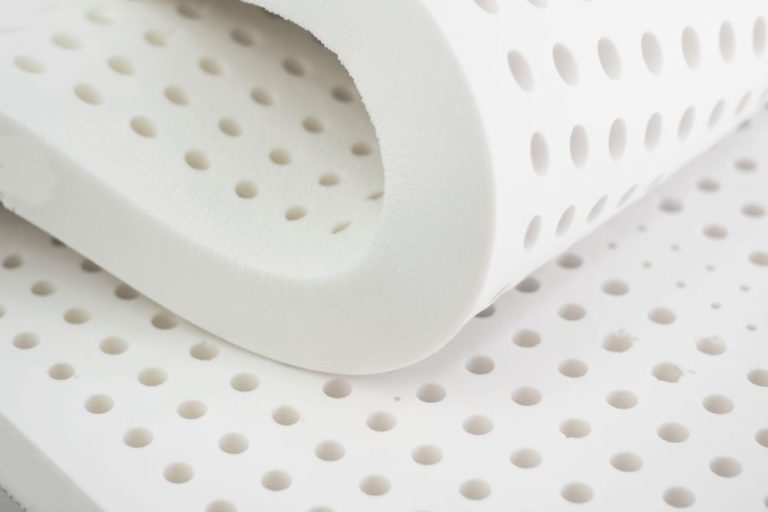
Yes, but on it rather than in it. Memory foam has no internal cavities, so bed bugs cannot tunnel inside the way they can into a coil unit. They settle in the piping and seams of the cover, under the label, along the zipper, in the gap between mattress and foundation, and in the bed frame and headboard. That is good news: a thorough surface treatment plus an encasement is usually enough for the mattress itself.
Signs of bed bugs
- Small rust-coloured or black spots (droppings) along seams and on the sheets
- Tiny pale shed skins or white eggs about 1 mm long in seams and crevices
- Live bugs the size and colour of an apple seed, especially at night or when you lift the mattress
- Itchy bites in lines or clusters, often on arms, neck and shoulders
- A faint sweet, musty odour in heavier infestations
How to remove bed bugs from a memory foam mattress: step by step
1. Contain the bedding
Strip the bed and put sheets, pillowcases, duvet covers and mattress protector straight into sealed bags. Wash in hot water and dry on the highest heat for at least 30 minutes. Anything that cannot be washed can go in the dryer on high for 30 minutes or be sealed in a bag for several months.
2. Vacuum every seam
Use a crevice tool and go slowly along every seam, piping, tag and the zipper, then the underside, the foundation, the frame and the baseboards. Empty the vacuum into a sealed bag outdoors immediately.
3. Steam the surface
A clothes or floor steamer that reaches at least 50 °C at the nozzle kills bugs and eggs on contact. Move slowly (about 2 cm per second) over seams and the mattress surface. Let the mattress dry fully before covering it; memory foam should not be soaked.
4. Treat cracks and the frame
Diatomaceous earth or a Health Canada-registered bed bug product can be applied to frame joints, baseboards and outlets (never to the sleeping surface). Follow the label exactly. Sprays kill on contact but have little residual effect, so they supplement rather than replace heat.
5. Encase the mattress and foundation
Zip the mattress and box spring or foundation into certified bed bug-proof encasements. Any bugs or eggs left inside are trapped and die; any new bugs stay on the smooth outer surface where you can see them. Leave the encasement on for at least 12 months.
6. Isolate the bed
Pull the bed a few centimetres from the wall, place interceptor cups under each leg, and keep bedding off the floor. Bed bugs cannot fly or jump; they have to climb.
7. Call a professional for anything beyond a light infestation
If you are seeing bugs in more than one spot, or they return after treatment, a licensed pest control company is the fastest route. Whole-room heat treatment (raising the space to roughly 50–60 °C for several hours) is the most reliable method because it reaches inside furniture and walls where DIY methods cannot.
Do not throw the mattress out the door on day one. Moving an infested mattress through your home spreads bugs to other rooms, and a new mattress put into an untreated bedroom will be infested within weeks. Treat the room first; replace the mattress last if needed.
Should you replace the mattress?
| Situation | Recommendation |
|---|---|
| Light infestation, mattress intact | Treat and encase; keep the mattress |
| Cover torn or foam exposed | Replace after the room is treated; bugs can hide in exposed foam cracks |
| Heavy staining or odour | Replace; the mattress is unlikely to feel or smell right again |
| Mattress already 7+ years old | Treat the room, then replace and encase the new mattress from day one |
If you do replace it, ask the retailer to deliver in sealed plastic and put a bed bug encasement on before the first night. Every mattress we deliver across the GTA arrives sealed, and we can supply a protector or encasement with it.
Preventing bed bugs in future
- Keep an encasement or zippered protector on the mattress permanently.
- Inspect second-hand furniture and never bring in a used mattress.
- After travel, unpack luggage away from the bedroom and hot-dry clothing.
- Reduce clutter under and around the bed so there are fewer hiding places.
- Check seams and interceptor cups once a month; catching a few bugs early is a small job.
For routine care, see how to clean a memory foam mattress and our mattress freshness guide.
Protectors and replacement mattresses
Browse mattress protectors and accessories or all memory foam mattresses.
Answer five quick questions and we will suggest three mattresses, delivered sealed and free across the GTA.
Frequently asked questions
Can bed bugs get inside a memory foam mattress?
Not unless the cover is torn. Solid foam has no internal spaces, so bed bugs live on the cover seams, under the label, at the zipper and underneath the mattress, where they are easier to treat than in a coil mattress.
Does heat kill bed bugs in a mattress?
Yes. Bed bugs and their eggs die at about 50 °C (122 °F). Hot washing and high-heat drying of bedding, steam on the mattress surface and professional whole-room heat treatment are the most effective methods.
How long should I keep a bed bug encasement on?
At least 12 months. Bed bugs can survive several months without feeding, so the encasement must stay sealed long enough for any trapped bugs to die.
Should I throw away my mattress if it has bed bugs?
Usually not. Treat the room first, then treat and encase the mattress. Replace it only if the cover is torn, it is badly stained, or it is already near the end of its life, and encase the new one immediately.
Do memory foam mattresses attract bed bugs?
No. Bed bugs are attracted to people, not materials. Any mattress type can be infested, but memory foam is somewhat easier to treat because the bugs cannot get inside it.